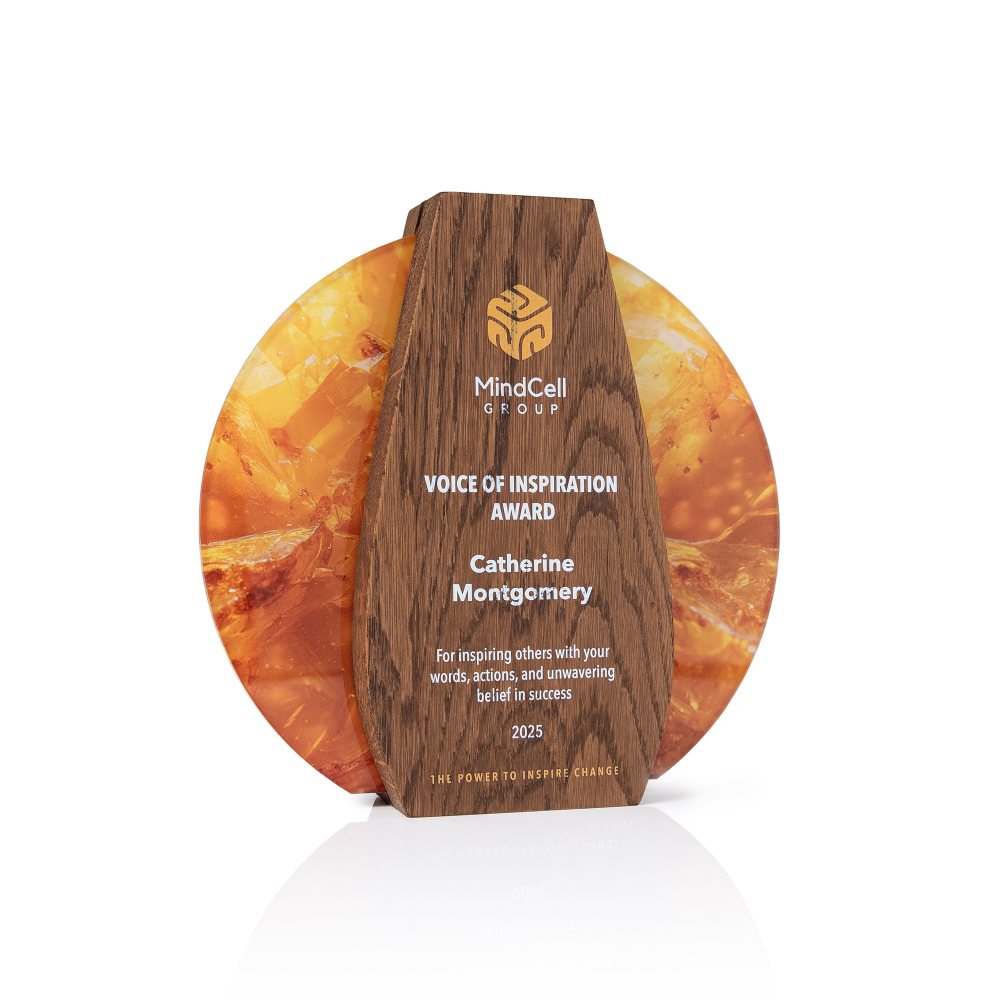
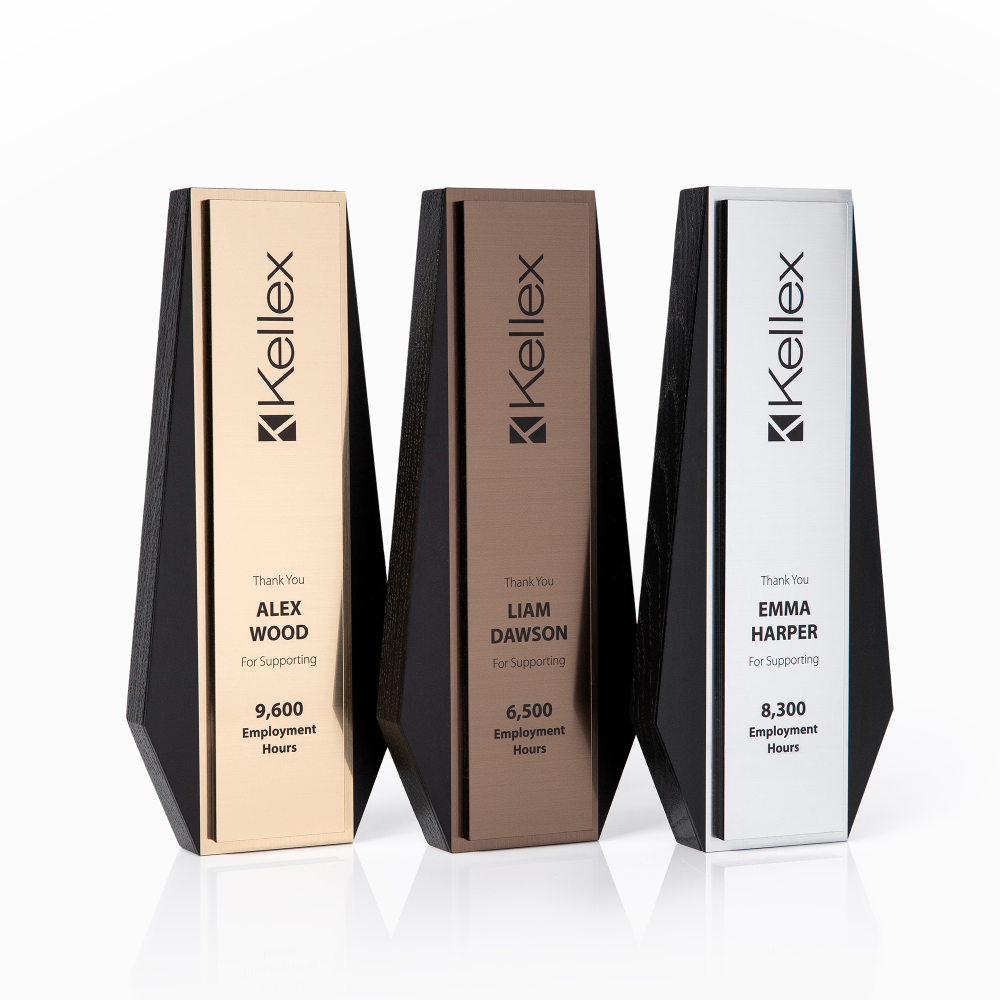
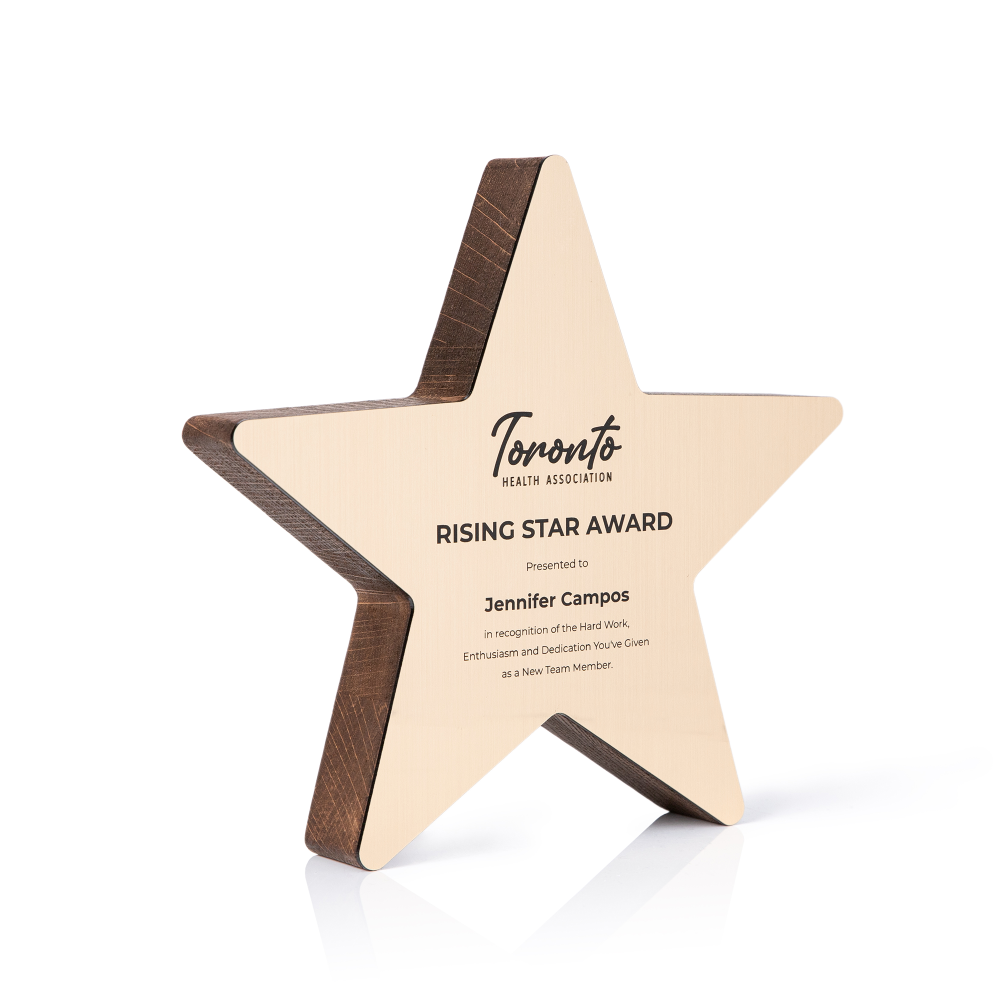
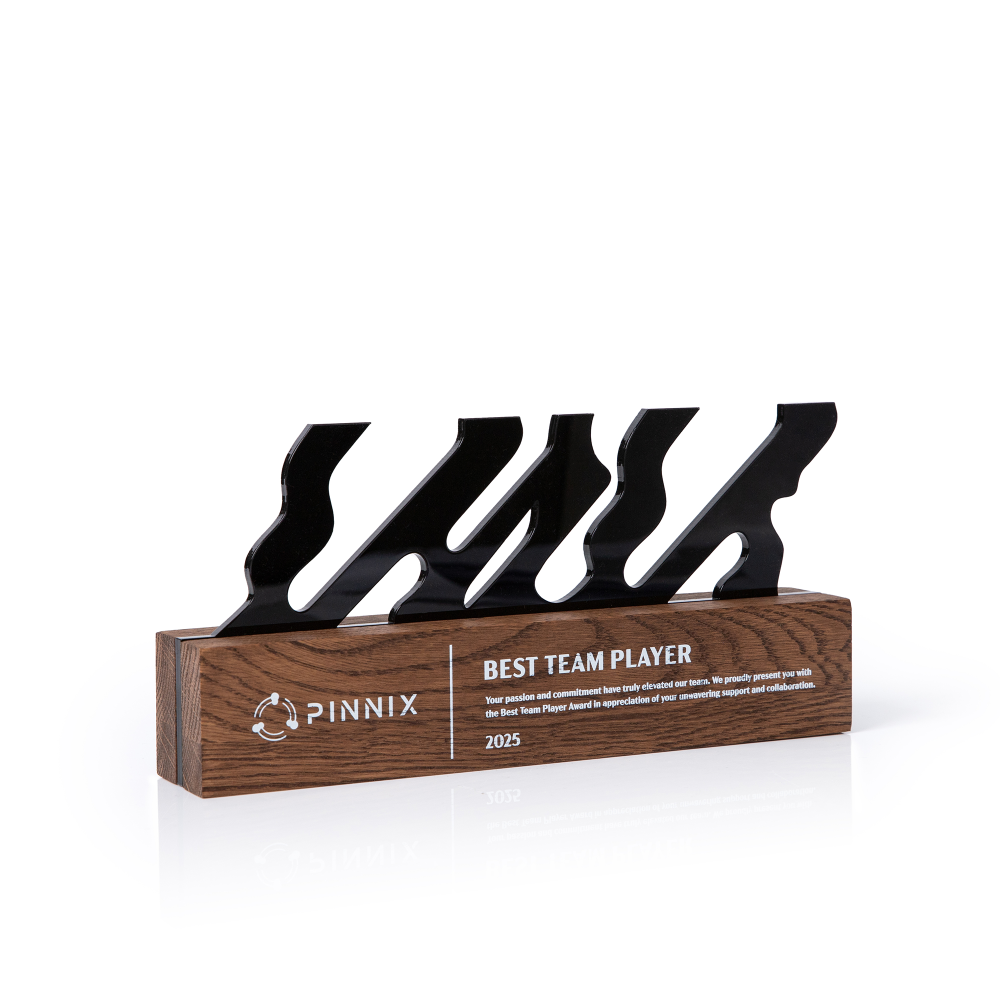









In Cambridge research, the achievement may be a discovery, an experimental collaboration or the work of a specialist team. A scientific award needs space for accurate terminology and institution credits as well as a considered design. Explore personalised trophies for biomedical, academic and innovation recognition with realistic production and delivery planning.
Choose categories that distinguish verified technical contributions from general partner appreciation.
Recognize leadership, professional performance, organizational milestones and business achievement.
Explore Awards →
Celebrate outstanding employees, public servants, teams, managers and years of service.
Explore Awards →
Recognize professional excellence, academic achievement, community service and important contributions.
Explore Awards →
Custom awards for conferences, association events, public-sector ceremonies and professional programs.
Explore Awards →
Celebrate years of service, organization anniversaries and long-term contributions.
Explore Awards →
Personalized trophies for regional tournaments, schools, clubs and community competitions.
Explore Awards →Cambridge Biomedical Campus and the wider university and life-sciences cluster bring together research teams, clinical scientists, laboratories and industry partners. Scientific awards can involve multiple institutions, specialised terminology and embargoed project information. The useful buying decision is often the approval route for the final wording and logos, not simply the trophy material.
Research administrators may recognise a new programme, translational contribution or collaboration. Check the public-approved terminology rather than printing unpublished results.
Life-sciences companies can celebrate development milestones and project teamwork. Use a verified project title that does not reveal confidential compound, trial or partnership information.
Academic departments may award early-career achievement, research impact or interdisciplinary cooperation. Confirm official department and degree or title formatting.
Symposium organisers can recognise research posters, speakers and emerging investigators. Decide whether the event year, category and presenting institution should appear.
Technical staff and laboratory managers may recognise reliable operations or equipment innovation. A team citation can better represent shared achievement than arbitrarily selecting a single name.
Health-device and technology groups may celebrate engineering and clinical collaboration. Avoid medical efficacy claims that have not been cleared for public use.
Joint university-industry groups may need two or more approved institutional identities. Plan a hierarchy that preserves the winner's contribution and readability.
University-linked venture programmes may award entrepreneurial progress, pitches or student innovation. Confirm the registered venture name and the competition's approved title.
Find the right award for every achievement, event and celebration
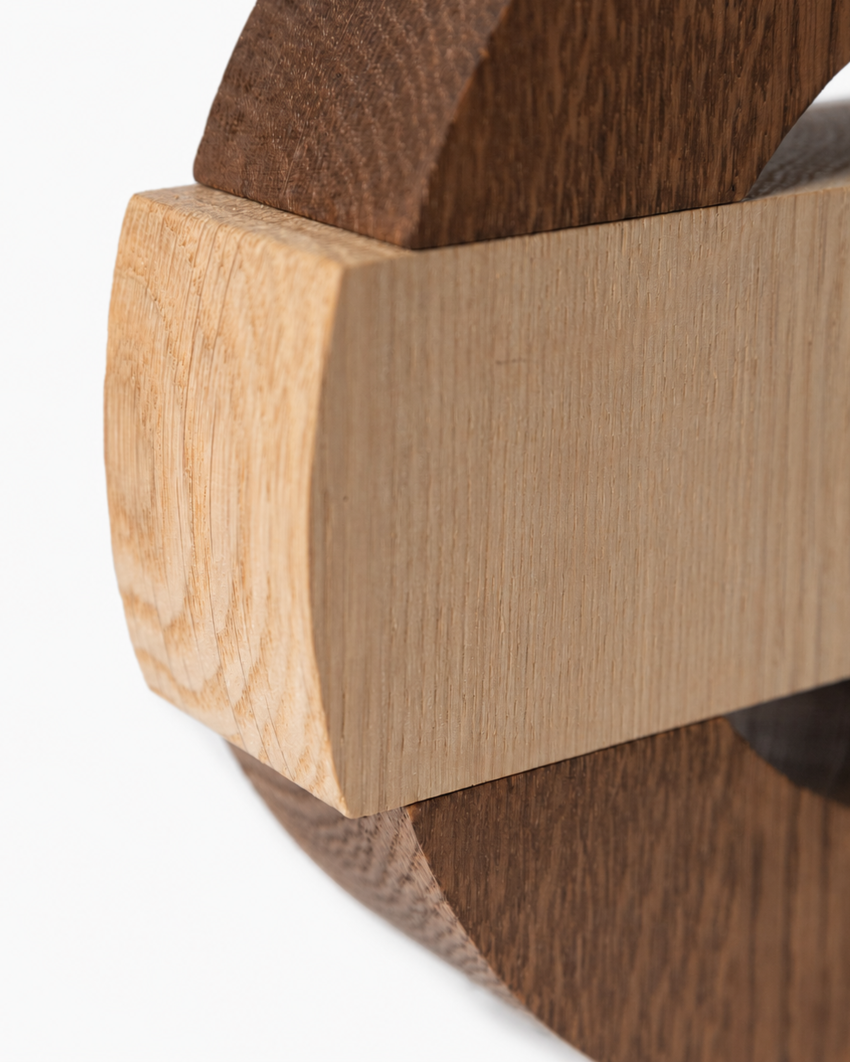
WOODEN AWARDS
Natural, modern awards that work well for creative companies, corporate recognition and premium events.
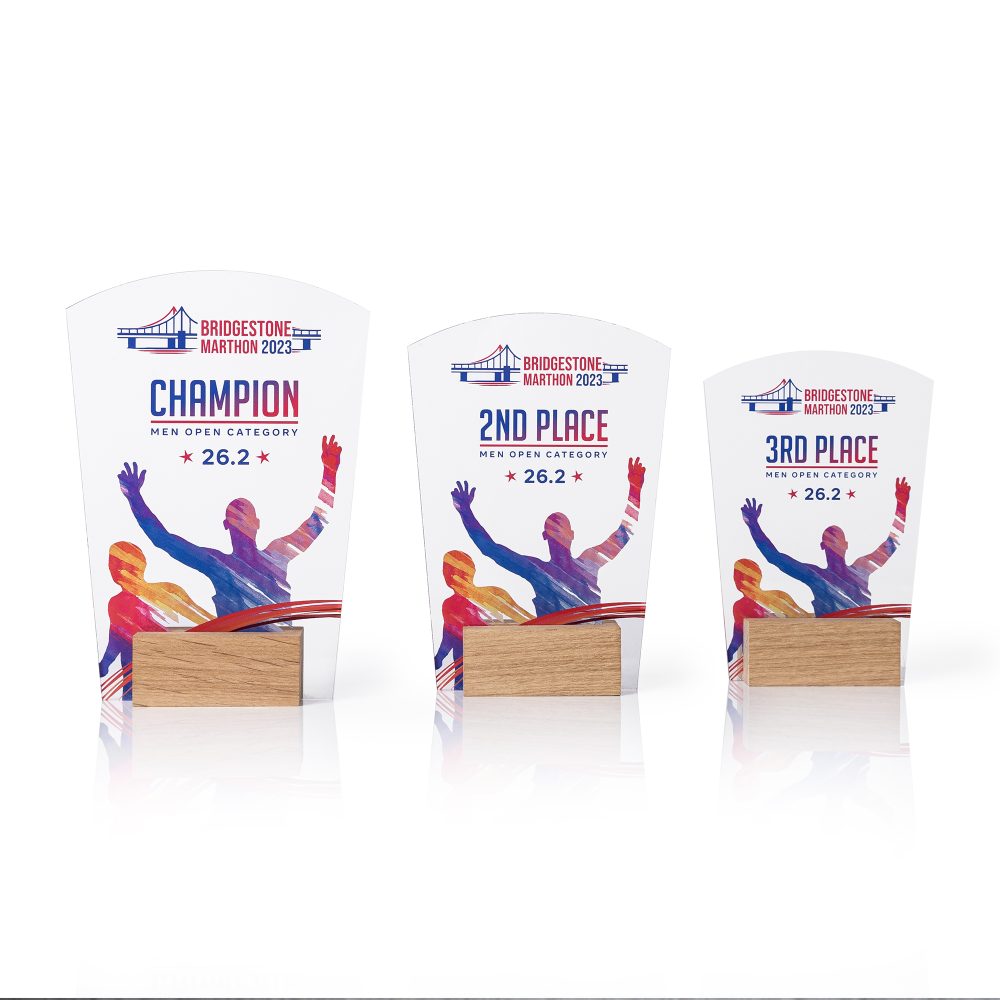
ACRYLIC AWARDS
Contemporary acrylic trophies with strong options for branding, color and custom graphics.
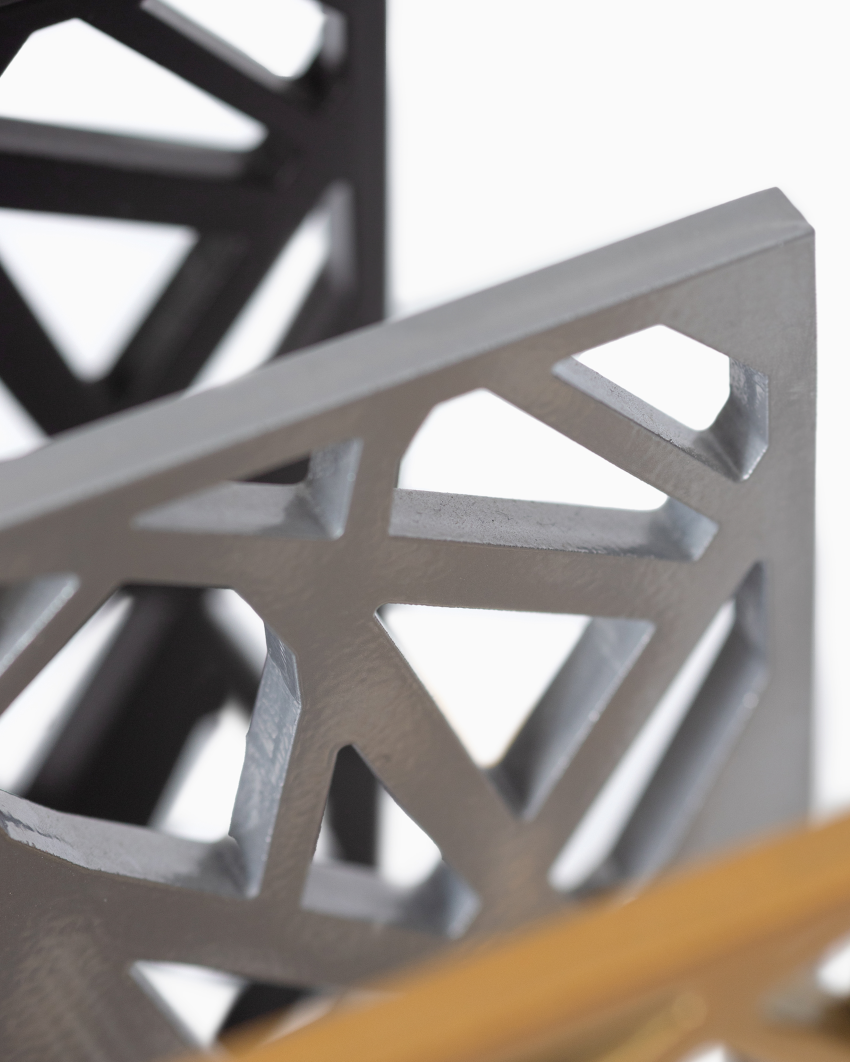
METAL AWARDS
Premium metal awards for executive recognition, competitions and high-profile events.
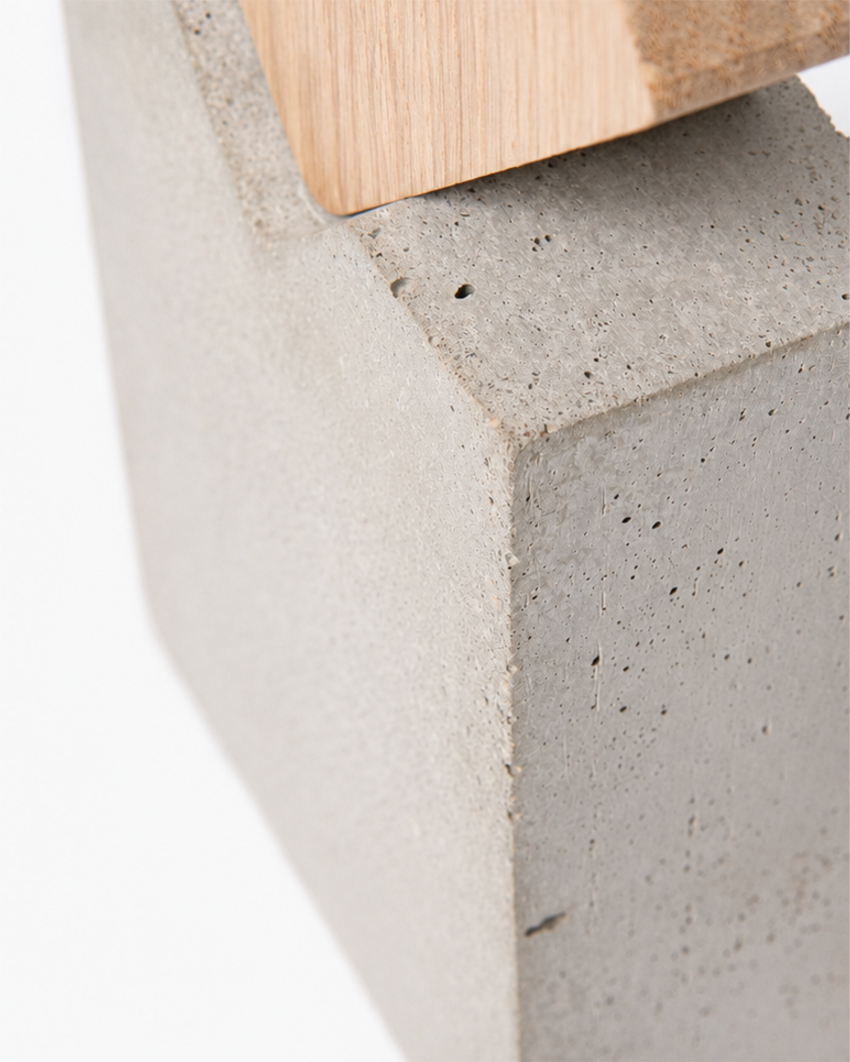
CONCRETE AWARDS
Distinctive architectural awards suited to modern brands, creative industries and design-led events.
MIXED MATERIAL AWARDS
Unique designs combining wood, acrylic, metal and concrete for a more distinctive presentation.
Choose product and inscription scale with specialist terms, programme names and research titles in mind.
Where supported, incorporate approved university, institute or company marks without sacrificing the main recipient credit.
Consider different award formats for early-career researchers, laboratory teams and institutional partnerships.
Compare restrained wood, clean acrylic, formal metal and mixed designs for the ceremony and display setting.
Send a concept and a realistic brief for scientific signature honours; confirm feasibility and possible design costs.
Account for Cambridge campus receiving rules, proof approval and delivery from Europe rather than assuming local manufacture.
A scientific trophy should not simplify an important contribution into the wrong claim. A discovery may belong to a research group, a technical platform may be maintained by specialists, and a collaborative trial may involve more than one organisation. Before choosing the award, agree what is being recognised, which work may be described publicly and whether the recipient is a researcher, an entire laboratory team or a partner network.
Cambridge awards frequently need careful treatment of academic terminology. Long institute titles, technical abbreviations and scientific symbols can become hard to read on a small object. Prepare a short official award citation and preserve a more detailed explanation for the ceremony programme. Check accents, initials, academic titles and notation on the actual design proof, not only in a recipient spreadsheet.
Collaboration can make branding complicated. A university logo, research centre mark and company identity may all be relevant, but the award should not imply an endorsement or partnership that has not been authorised. Ask each organisation to approve the proposed use, then decide which mark is primary. If the research is under embargo, use neutral approved wording instead of unpublished outcomes or names.
Acrylic may offer a clean modern presentation for a science prize, while wood may be appropriate for mentoring and service; metal can suit a formal research-leadership honour. Material choice should follow the audience, available text area and confirmed personalisation method. Some products may be unsuitable for lengthy chemical notation or multiple fine logos; a bespoke enquiry can explore alternatives without guaranteeing a result.
Campus and college deliveries also need planning. Cambridge Biomedical Campus, Cambridge Science Park and West Cambridge have different organisations and receiving points. Supply the exact address and contact, confirm whether the department can accept the consignment, and allow for artwork review, European production and international transit to Great Britain.
Scientific buyers can improve proofing by supplying one approved citation with the full project title, any abbreviated scientific terms, institutional credit order and the research publication status. Check the typeface for unusual symbols, italics or long technical names before choosing a compact form. If the research remains under embargo, use a publicly approved recognition category rather than putting unpublished results or sensitive study details permanently on a trophy.
Some designs may support specialist text or artwork, but fine symbols, superscripts and small notation require product-level confirmation. Ask to review the layout and spelling before approval.
Potentially, if the design allows and both organisations approve the marks. Keep the recipient and award title legible; several detailed logos may require a larger format.
Use a public-approved project or category description and avoid unpublished results, patient information or protected intellectual property. The buyer must authorise all final wording before production.
Yes, suitable employee and achievement designs can recognise technical service, instrumentation work and laboratory collaboration. Consider a team award when the contribution is shared.
If the owner permits it and the design has sufficient space, an approved name may be used. Do not include confidential product identifiers or unapproved performance claims.
Acrylic or metal-led pieces can look clear and formal, while wood or mixed materials may suit other programmes. Compare space for the event title, presenter and institution.
One design family may accommodate multiple categories and recipients, subject to product options. Confirm the official category names, year and accurate spelling of the presenters.
Depending on the available text fields, a qualification may be included. Verify that it has actually been awarded and use the institution's official title formatting.
UDAwards accepts custom design enquiries. Provide the concept, materials, estimated quantity and date; complex artwork or design work may carry a charge and must be confirmed as feasible.
Use the actual organisation, building and postal details on the campus, with an authorised receiving contact. Worldwide shipping does not imply that every campus mailroom will accept an external parcel.
No Cambridge manufacturing site is claimed. UDAwards describes the awards as crafted in Europe and offers international shipping to UK destinations.
Allow time to verify scientific terms, partner marks and recipient data, then for production and international shipping. The published shipping schedule is an estimate, not a guarantee for a fixed symposium date.
Companies and organizations trust UDAwards to create meaningful, high-quality awards for their most important moments.
By subscribing you agree with our Terms Of Service and Privacy Policy
What are you looking for?