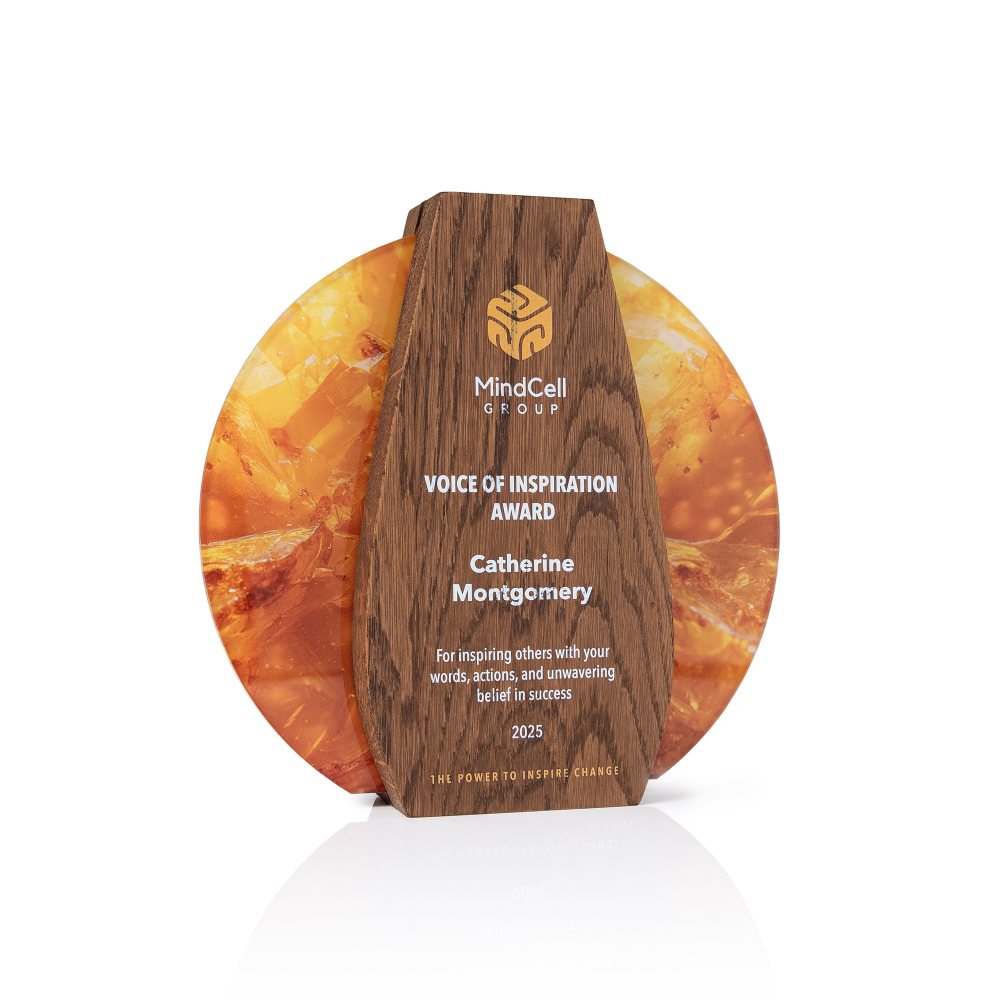
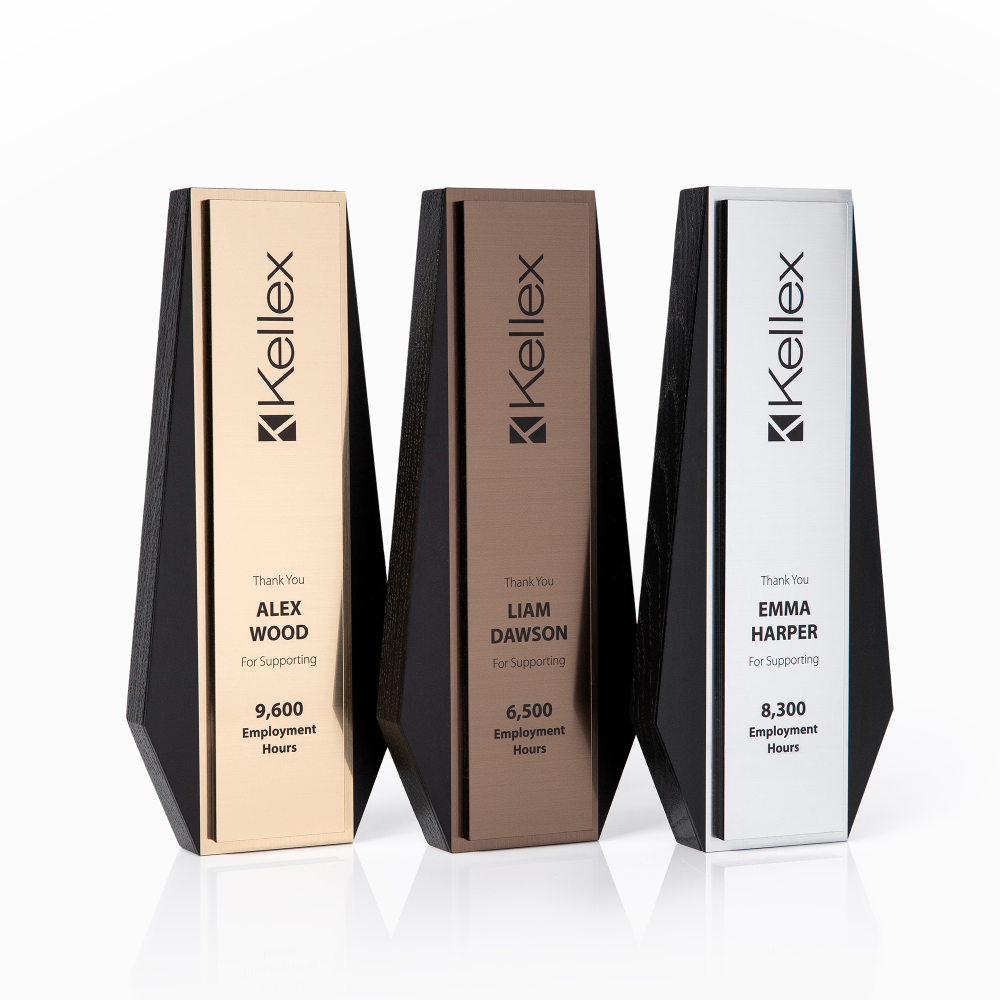
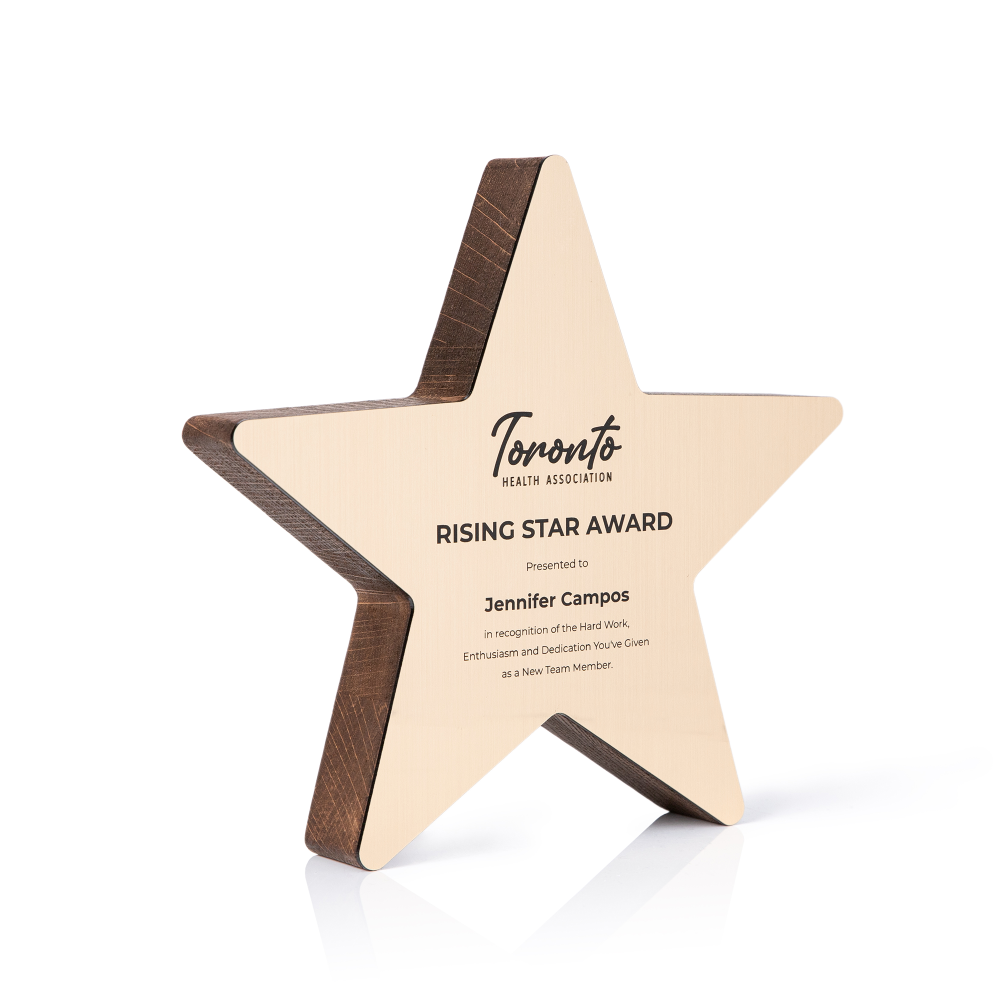
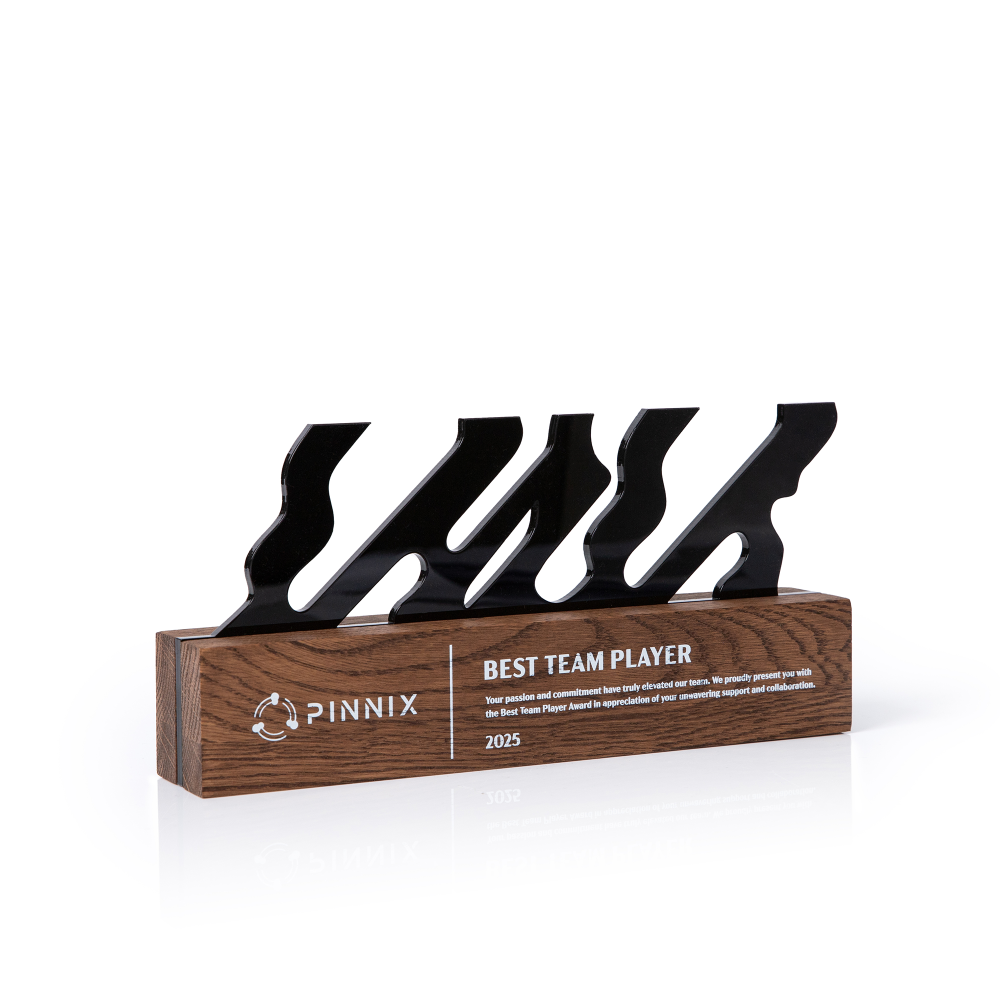









Scientific recognition deserves careful wording. Uppsala’s life-science organisations, laboratories, universities and healthcare teams can use personalised UDAwards trophies for research milestones, interdisciplinary collaboration, professional excellence and service achievements, with shipping to the Uppsala area.
A research prize may credit an inventor, a laboratory group, a teaching mentor or an industry-academic collaboration. Decide what is being honored first.
Recognize leadership, professional performance, organizational milestones and business achievement.
Explore Awards →
Celebrate outstanding employees, public servants, teams, managers and years of service.
Explore Awards →
Recognize professional excellence, academic achievement, community service and important contributions.
Explore Awards →
Custom awards for conferences, association events, public-sector ceremonies and professional programs.
Explore Awards →
Celebrate years of service, organization anniversaries and long-term contributions.
Explore Awards →
Personalized trophies for regional tournaments, schools, clubs and community competitions.
Explore Awards →Uppsala’s life-science ecosystem gives buyers a distinctive accuracy challenge. Different contributors, laboratories and clinical settings need recognition that conveys their actual role and uses terminology approved by the organiser.
Laboratory teams can acknowledge a research milestone, methodological improvement or cross-team contribution. Technical terms, proper names and the scope of a claimed result must be checked by the organisation before they reach the trophy.
Development and quality teams may honour collaboration, process milestones or service. Avoid inscriptions that sound like regulatory approval or clinical efficacy unless the buyer can confirm that precise statement is appropriate.
Medtech companies may recognise an engineering breakthrough, design challenge or shared product programme. The distinction should name the team or stage accurately without assuming a product is cleared for clinical use.
Clinical departments may recognise patient-care teamwork, mentoring or staff service, provided the award does not imply an independently verified patient outcome. Confirm the exact department name, professional title and honour text with the healthcare organiser.
Laboratory programmes can distinguish technical method development, mentoring, quality-related contribution and research collaboration. Provide enough space for an approved project title and separate scientific approval of the wording from proof approval.
Academic departments may recognise early-career achievements, supervision, interdisciplinary work or doctoral milestones. Check titles, affiliations and preferred name spellings with the institution.
Technology teams working on digital health may mark a tested workflow, collaborative pilot or improved service process. Claims about health outcomes or efficacy require the organisation’s own authorisation.
Scientific conference organisers can recognise posters, presentations or collaboration. A repeatable award design can hold several categories while protecting consistent terminology and sponsor permissions.
On an Akron research award, the hierarchy of project title, contributor and institution often matters more than ornament or size.
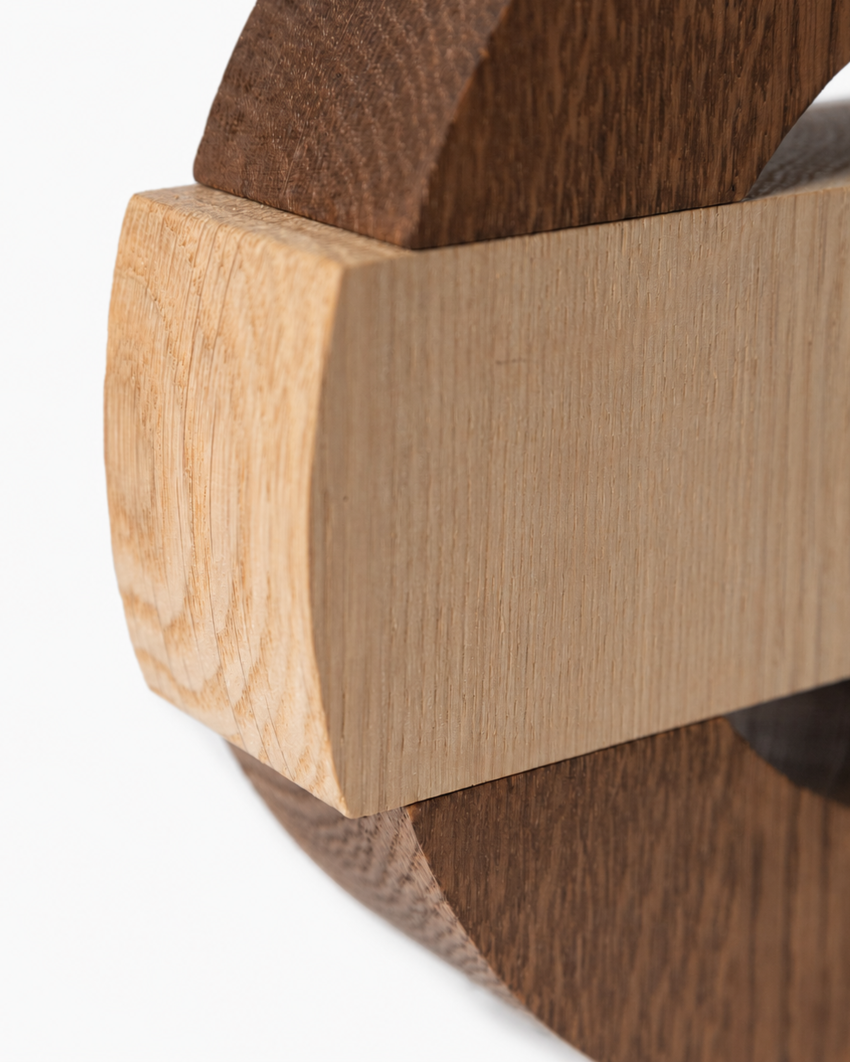
WOODEN AWARDS
Natural, modern awards that work well for creative companies, corporate recognition and premium events.
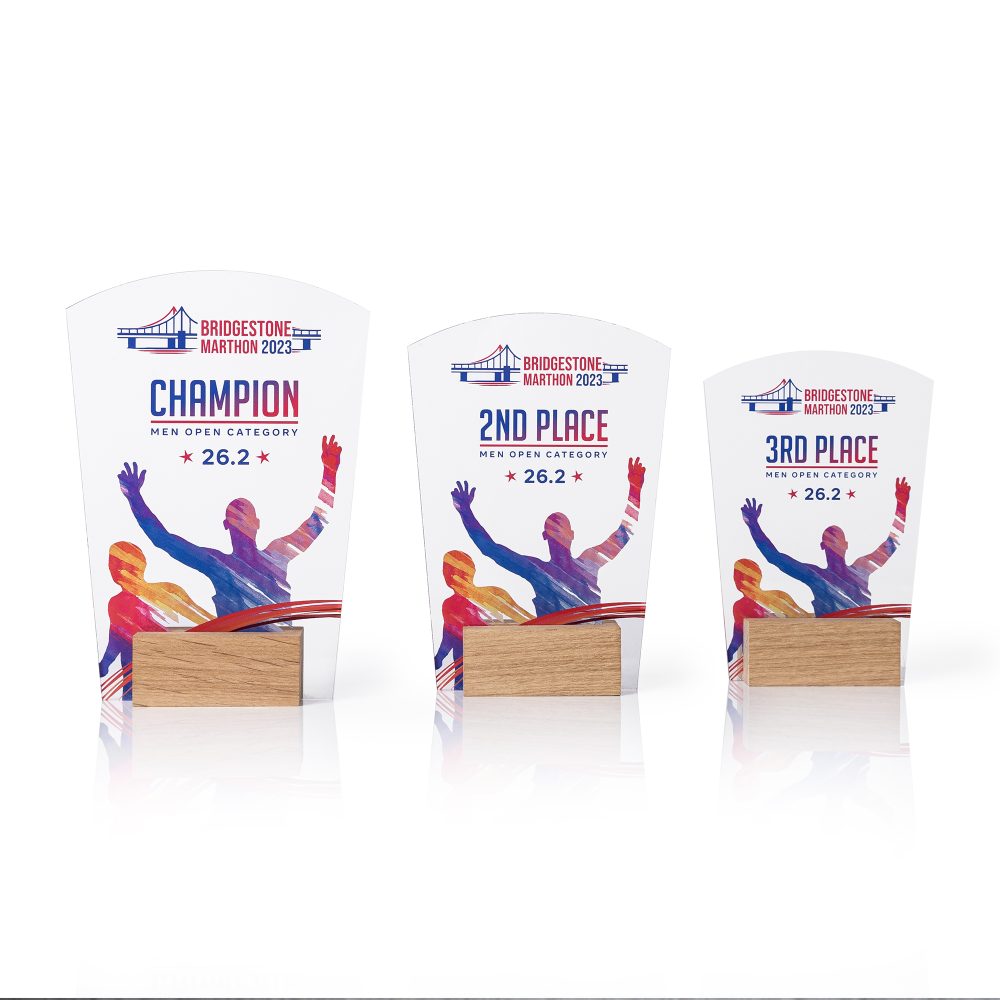
ACRYLIC AWARDS
Contemporary acrylic trophies with strong options for branding, color and custom graphics.
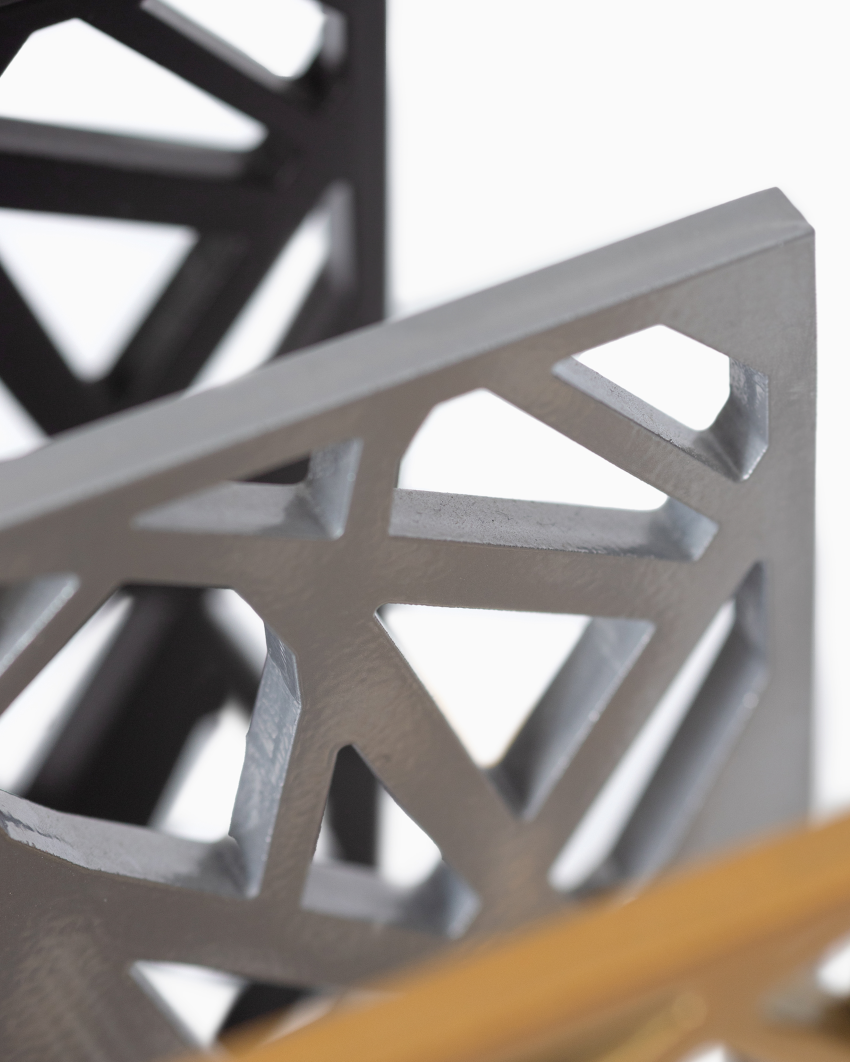
METAL AWARDS
Premium metal awards for executive recognition, competitions and high-profile events.
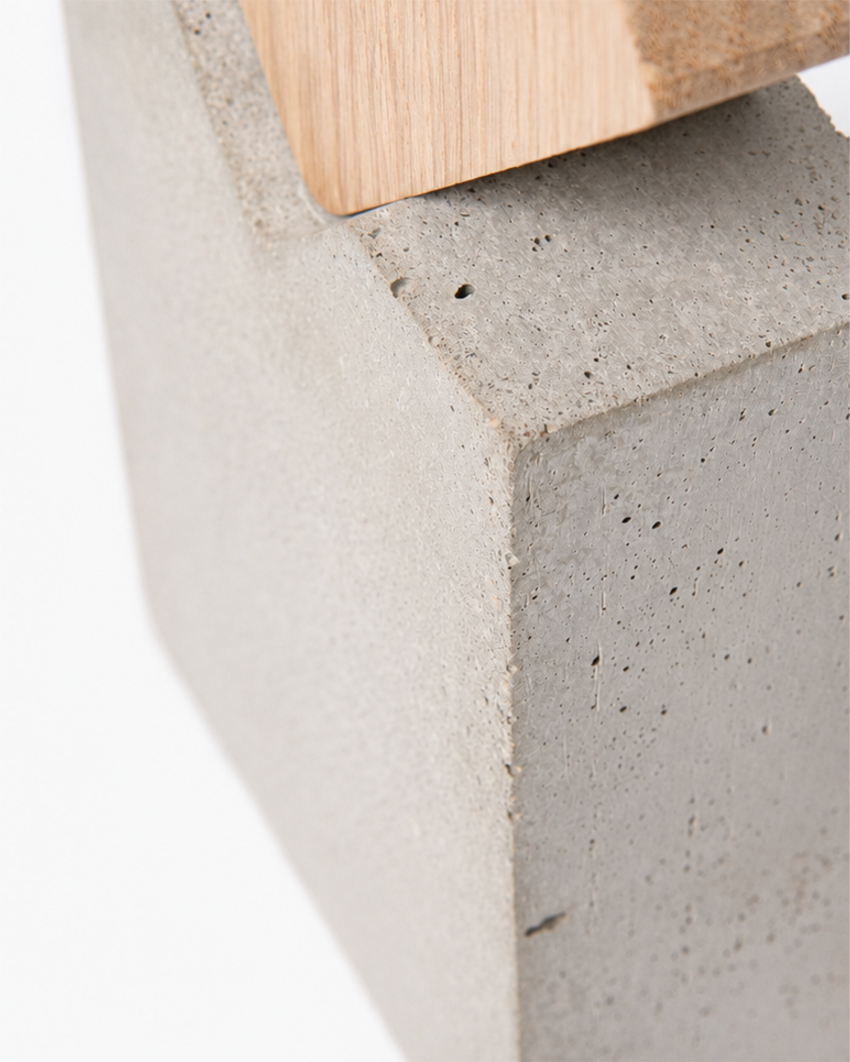
CONCRETE AWARDS
Distinctive architectural awards suited to modern brands, creative industries and design-led events.
MIXED MATERIAL AWARDS
Unique designs combining wood, acrylic, metal and concrete for a more distinctive presentation.
Choose a product that accommodates accurate scientific names and meaningful achievement titles.
Structure separate awards for a laboratory, clinician, mentor or cross-disciplinary team without conflating contributions.
Selected models support approved logos and short text, with methods depending on the design.
Compare acrylic clarity, wooden warmth and metal formality for different scientific occasions.
Ask about coordinated categories and multiple honourees before submitting a complex recognition programme.
International shipment is available subject to the current process and accurate receiving instructions.
For life-science buyers, a trophy is a permanent statement about an achievement. That means terminology deserves the same care as visual design. A project stage, successful collaboration and clinical team contribution are not interchangeable. Start by asking the scientific or clinical owner to describe exactly what is being recognised, and use that description as the basis for the inscription.
Scientific programmes can involve several laboratories, partner institutions and staff roles. Decide whether a research group, principal investigator, technician or collaborating organisation is the honouree. A single team piece may work when a common achievement belongs to the group; individual awards may be more meaningful for distinct contributions. Neither option should imply authorship or institutional endorsement that has not been approved.
Consider the practical limits of the trophy surface. Scientific project titles, institutional affiliations and professional credentials can be longer than ordinary company award wording. An acrylic model with sufficient flat space may work for a longer visual identity, while a sculptural metal design might be better for a concise headline. Check the actual customisation choices and request a proof when the workflow provides one.
For a clinical or laboratory programme, create two approval checks: scientific accuracy and visual proofing. The project lead should validate research terminology, authorship and any regulated claim; the purchaser can then review spelling, line breaks and layout. A trophy marking research collaboration should not be mistaken for proof of a treatment's efficacy, regulatory authorisation or clinical outcome. Where a department wants awards for different disciplines, keep the award family consistent but use specific category names meaningful to each team.
Research and healthcare organisations should also distinguish celebration from certification. A personalised award can recognise staff effort, a programme milestone or technical ingenuity, but it does not certify research validity, regulatory clearance or patient outcomes. The organisation itself must verify every factual statement and confirm that logos and trademarks may be reproduced.
When Uppsala scientific events involve delegates from several countries, decide on the language and spelling conventions early. Send one approved list of recipients and institutions, and leave time for approval, manufacture and international shipment. Awards crafted in Europe are not represented here as being manufactured in Uppsala.
Companies and organizations trust UDAwards to create meaningful, high-quality awards for their most important moments.
By subscribing you agree with our Terms Of Service and Privacy Policy
What are you looking for?