
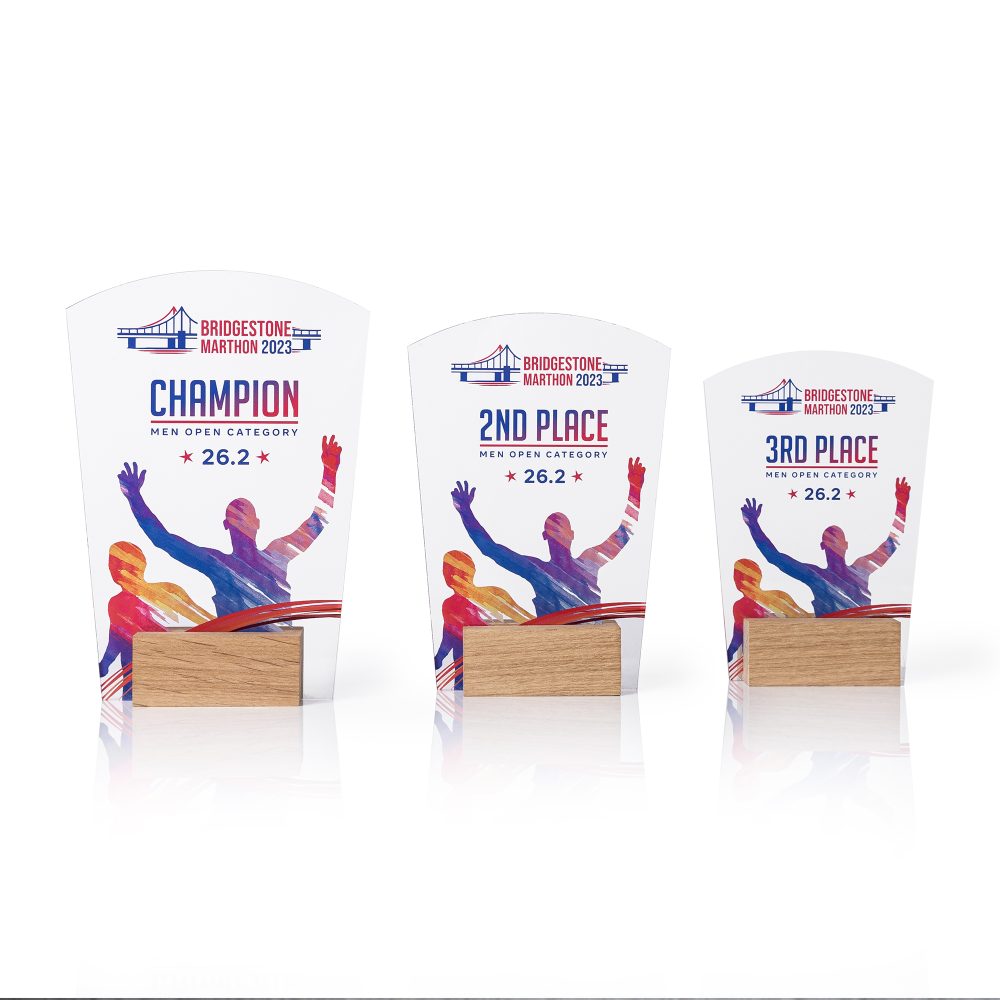










Wageningen’s agrifood research and innovation ecosystem creates opportunities to recognise scientific contribution, food technology, plant science and collaboration across the food system. Explore personalised trophy designs for university programmes, AgTech competitions and professional milestones, with delivery options for Wageningen organisations.
A research prize may credit an inventor, a laboratory group, a teaching mentor or an industry-academic collaboration. Decide what is being honored first.
Recognize leadership, professional performance, organizational milestones and business achievement.
Explore Awards →
Celebrate outstanding employees, public servants, teams, managers and years of service.
Explore Awards →
Recognize professional excellence, academic achievement, community service and important contributions.
Explore Awards →
Custom awards for conferences, association events, public-sector ceremonies and professional programs.
Explore Awards →
Celebrate years of service, organization anniversaries and long-term contributions.
Explore Awards →
Personalized trophies for regional tournaments, schools, clubs and community competitions.
Explore Awards →Wageningen buyers often need to bridge scientific terminology and practical food-sector use. The award should credit genuine research or innovation without implying unsupported product claims.
Wageningen-based food technology programmes may recognise processing-method development, a research collaboration or a competitive innovation result. Separate a documented project milestone from a product safety, health or nutritional claim, which needs its own evidence and relevant approval.
University and industry partners can acknowledge research milestones or field collaboration. Use the correct programme name and credit scientists and technicians fairly.
Research groups may honour work on crops, cultivation or plant technology. Avoid implying an experiment has become an approved commercial application if it has not.
Innovation programmes may recognise technology development or a conference contribution. Do not state unverified environmental or dietary outcomes as facts.
Projects focused on resource use or circular business models may receive achievement awards. Use defined project objectives and validated results rather than broad sustainability slogans.
Teams can celebrate training, quality culture or improvement initiatives. A trophy is not a food-safety certification or an official audit result.
Accelerator and innovation events may recognise prototypes, pitch achievements or founders’ contributions. Make the competitive category clear without implying funding approval.
Foodvalley-style networks can acknowledge collaboration between companies and institutions. Confirm partner naming and permission for logos before production.
On an Akron research award, the hierarchy of project title, contributor and institution often matters more than ornament or size.
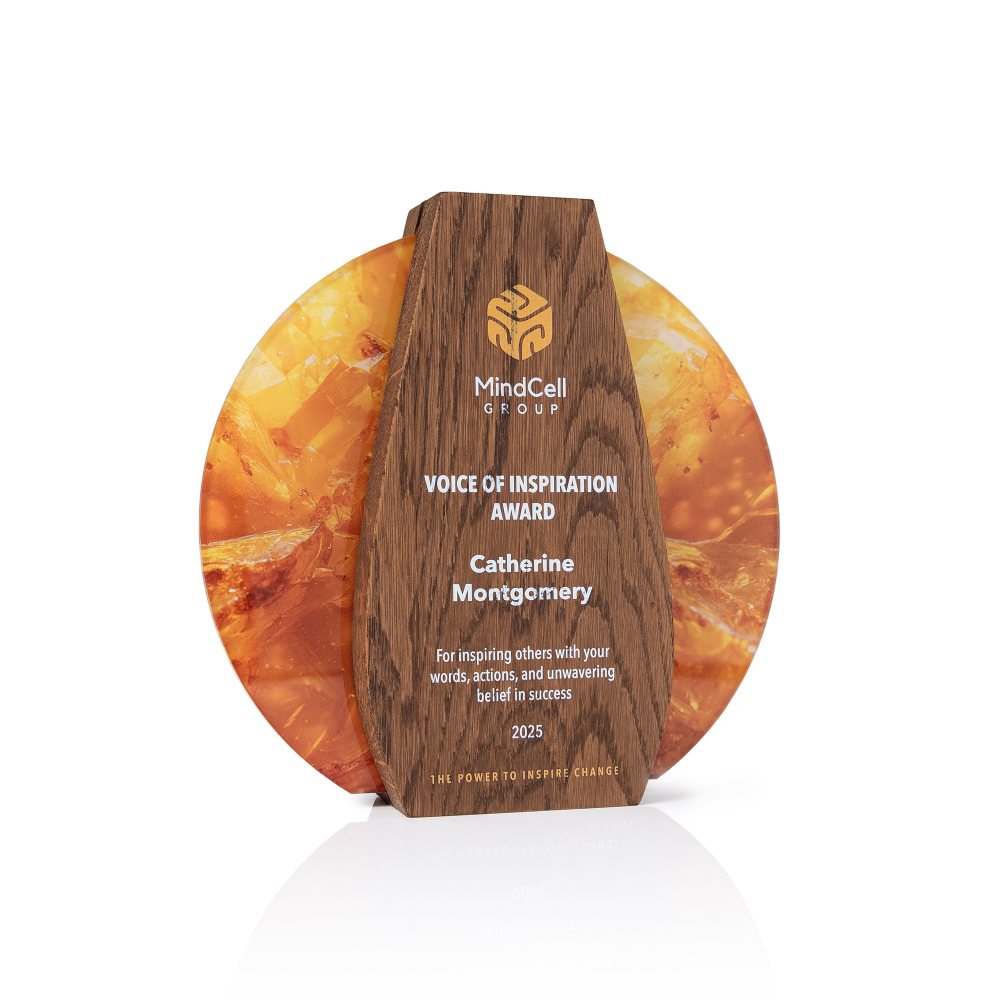
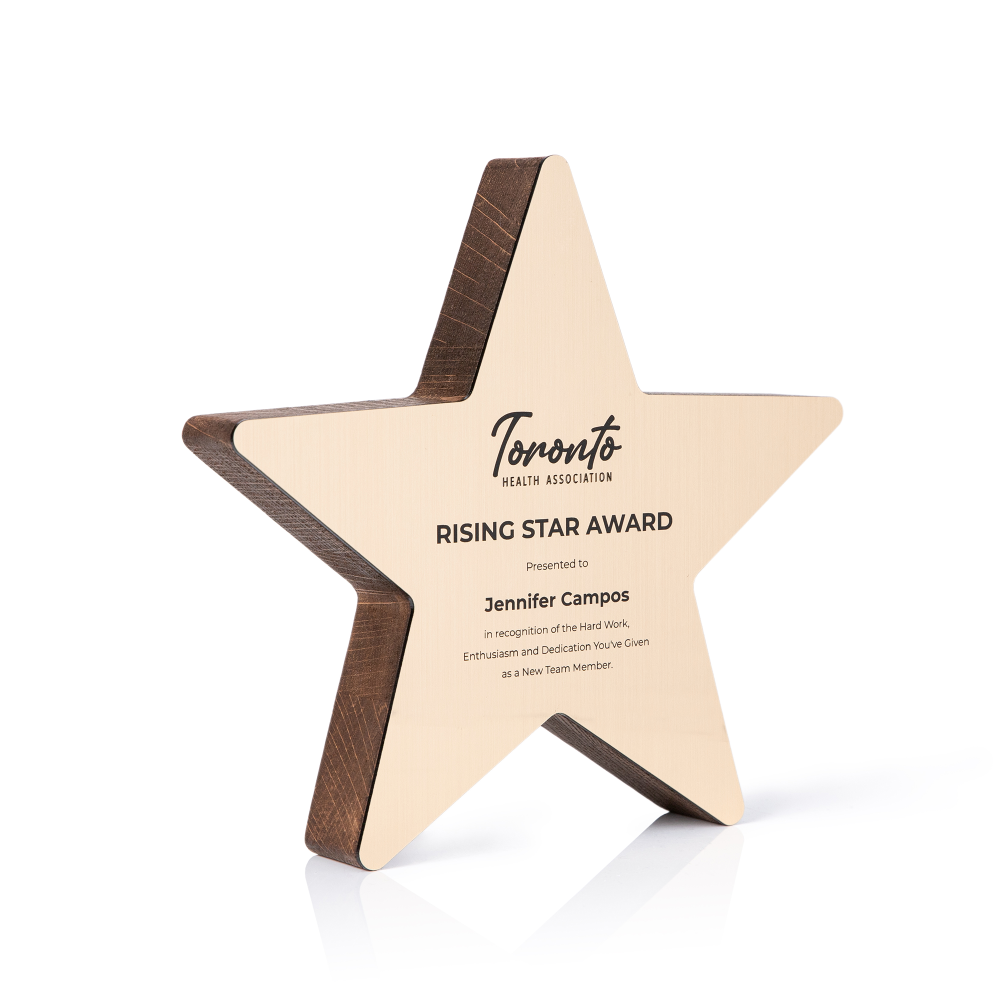
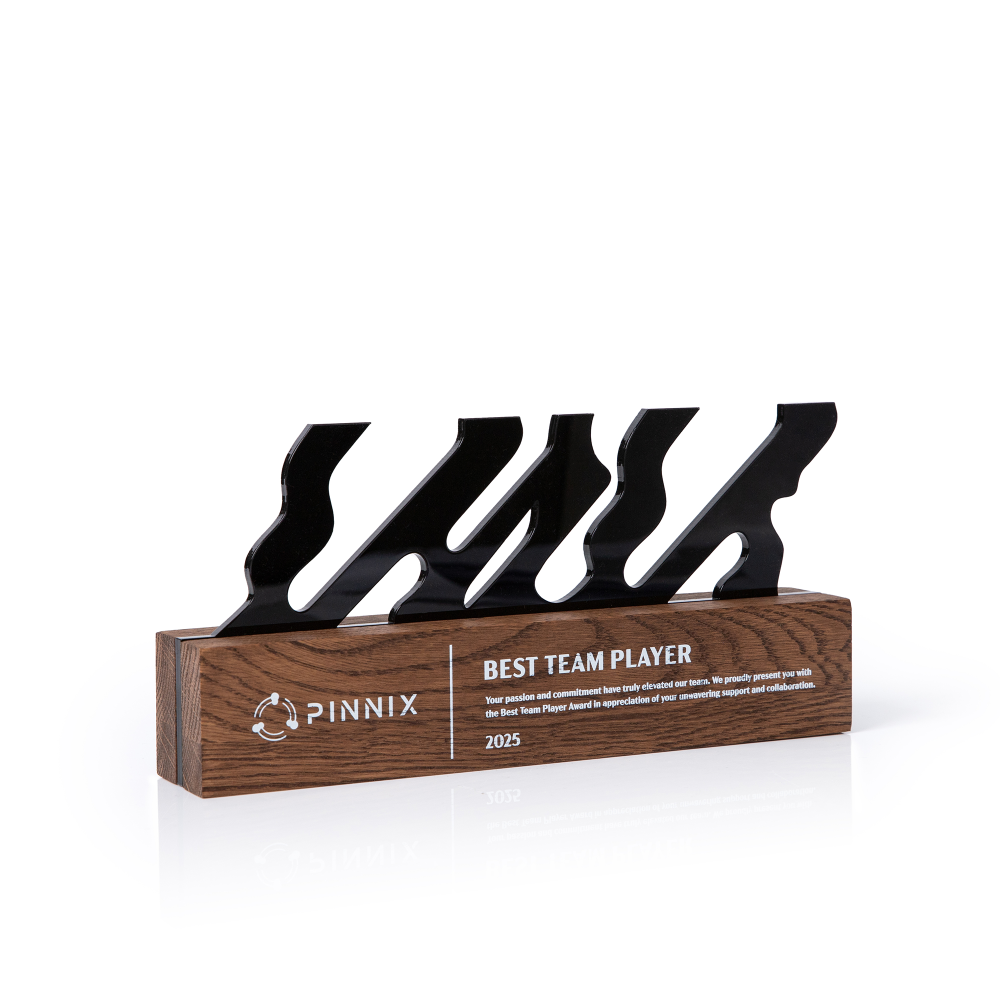
WOODEN AWARDS
Natural, modern awards that work well for creative companies, corporate recognition and premium events.
ACRYLIC AWARDS
Contemporary acrylic trophies with strong options for branding, color and custom graphics.
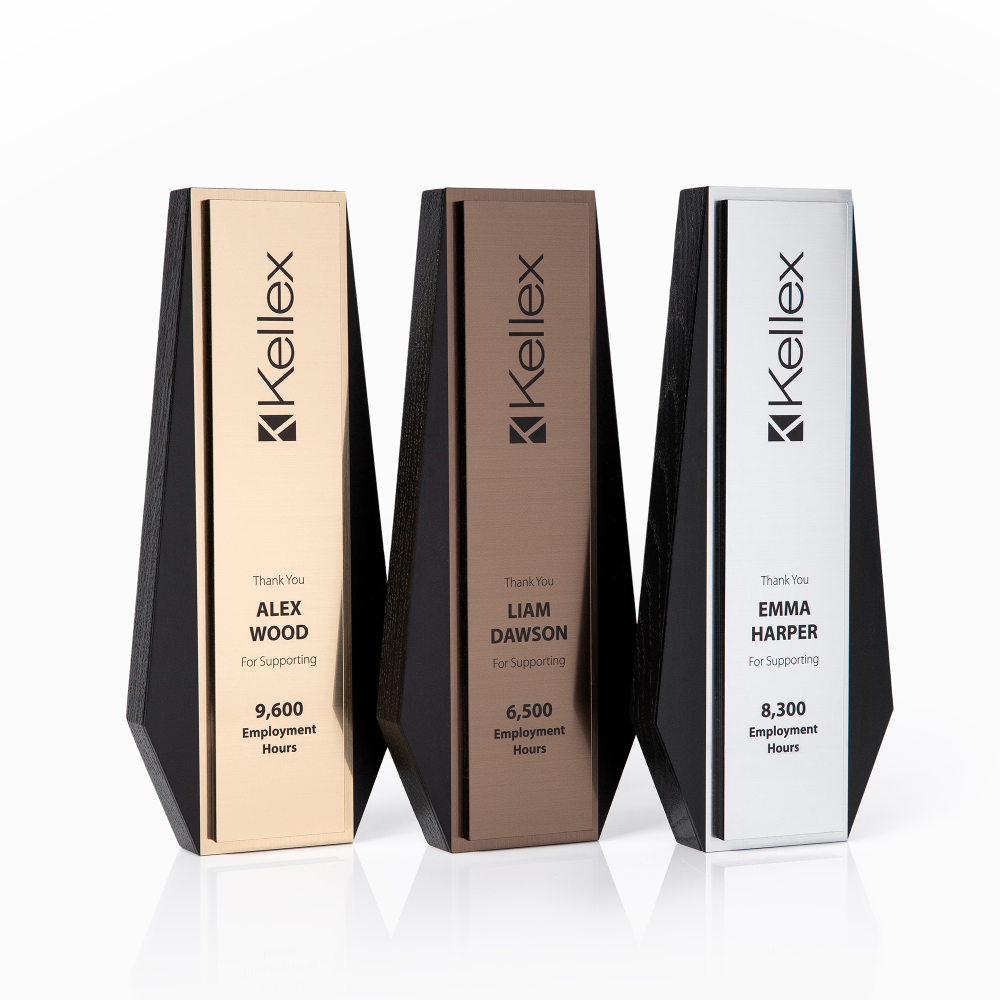
METAL AWARDS
Premium metal awards for executive recognition, competitions and high-profile events.
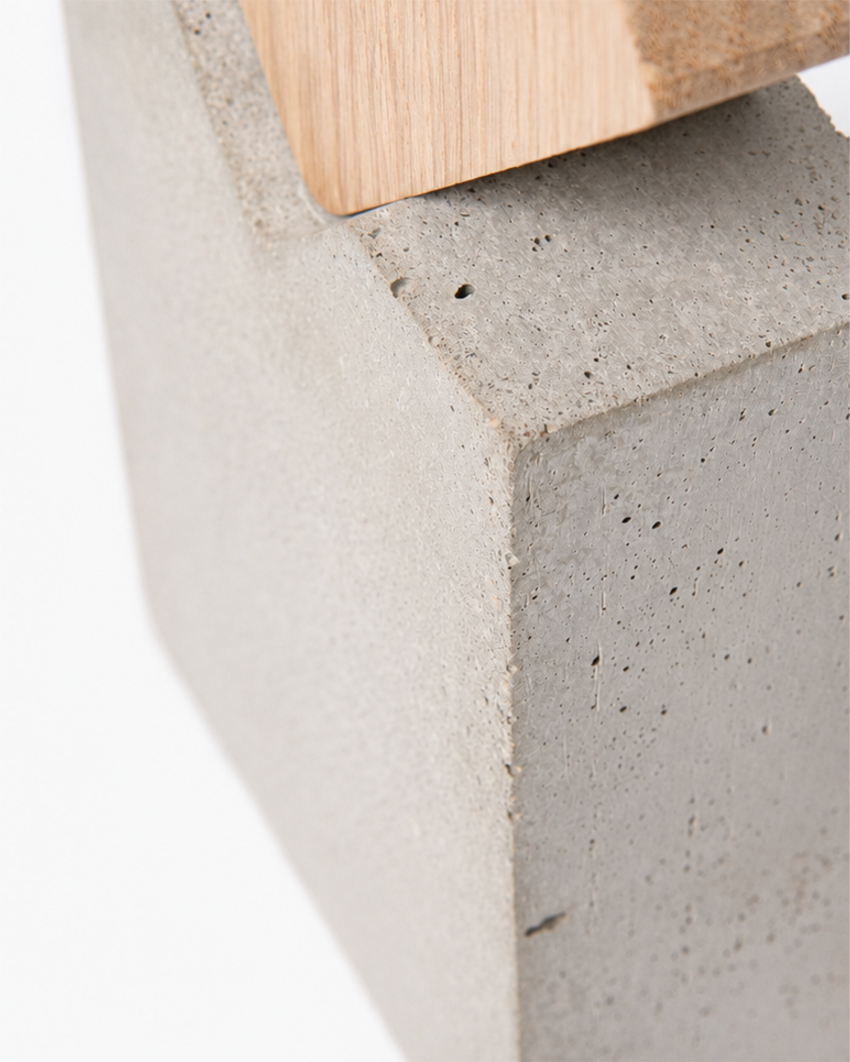
CONCRETE AWARDS
Distinctive architectural awards suited to modern brands, creative industries and design-led events.
MIXED MATERIAL AWARDS
Unique designs combining wood, acrylic, metal and concrete for a more distinctive presentation.
Build truthful award categories for plant science, food technology and research collaboration.
Supply project names, terminology and approved achievement statements for checking on the chosen award.
Select attractive materials without implying that a trophy is certified sustainable or that an initiative has proven climate impact.
Discuss how to credit research partners, startups and technical teams in a coherent set of trophies.
Compare the catalogue’s wood, acrylic, metal, concrete and mixed material award styles against the actual occasion.
Arrange a specific receiving address and confirm production and carrier estimates for a fixed event.
A food innovation programme can celebrate very different achievements: a documented research milestone, excellent laboratory teamwork, a food-tech competition result or a productive collaboration between institutions. Although all relate to agrifood, they should not share interchangeable award wording. The organiser needs to decide what has been achieved, how the recipient contributed and whether the distinction is a competitive prize or an appreciation award.
Technical and commercial claims require particular care in this field. An award for work on alternative proteins, circular food systems or crop research should not imply a product has been certified, a treatment is safe or an environmental result has been measured unless the organisation can establish that claim. A concise factual project title and approved recognition category often provide a clearer and safer inscription than a broad slogan such as fully sustainable innovation.
Collaboration is also central to agrifood programmes. A university team may work with researchers, companies and startup founders. Decide how those partners are credited. If every organisation needs its own award, use a consistent family where the selected product permits individual changes. If a single joint award is preferred, confirm whether the available design can legibly accommodate the correct organisations and authorised logos.
Material selection can align with tone without making unfounded promises. Wooden awards have a natural visual warmth, acrylic can suit technical event branding and metal may serve formal research distinctions. Concrete or mixed materials can provide another visual direction for innovation ceremonies. But appearance is not evidence of recyclability, ethical sourcing or carbon neutrality. Only describe these features where the specific product information supports them.
Wageningen Campus and the wider surrounding area have many distinct research and business receiving addresses. For a conference or company ceremony, specify the correct institution, department and delivery contact. Order planning should include verified recipient details, proof approval, production and transit. UDAwards’ role is providing personalised awards crafted in Europe, not guaranteeing Wageningen-local production or certifying agrifood research outcomes.
For an agrifood innovation programme, a useful purchasing decision is whether the trophy celebrates research practice, commercial application or an independently judged competition. Give each a different award title and evidence threshold. A collaboration prize may need several approved partner names; a plant-science research award may need a concise method or project title; a food-quality prize should not read like an official food-safety certification. The selected material can reinforce presentation style without establishing any environmental claim.
Companies and organizations trust UDAwards to create meaningful, high-quality awards for their most important moments.
By subscribing you agree with our Terms Of Service and Privacy Policy
What are you looking for?