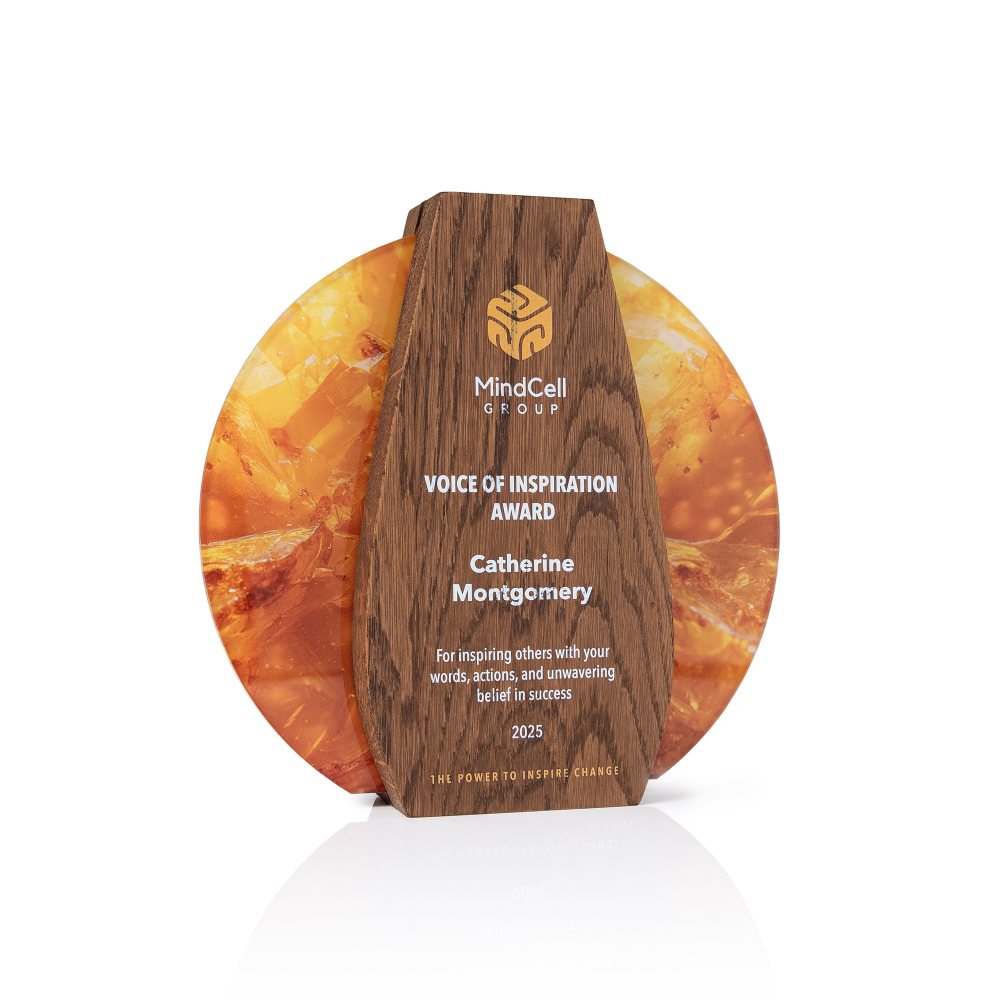
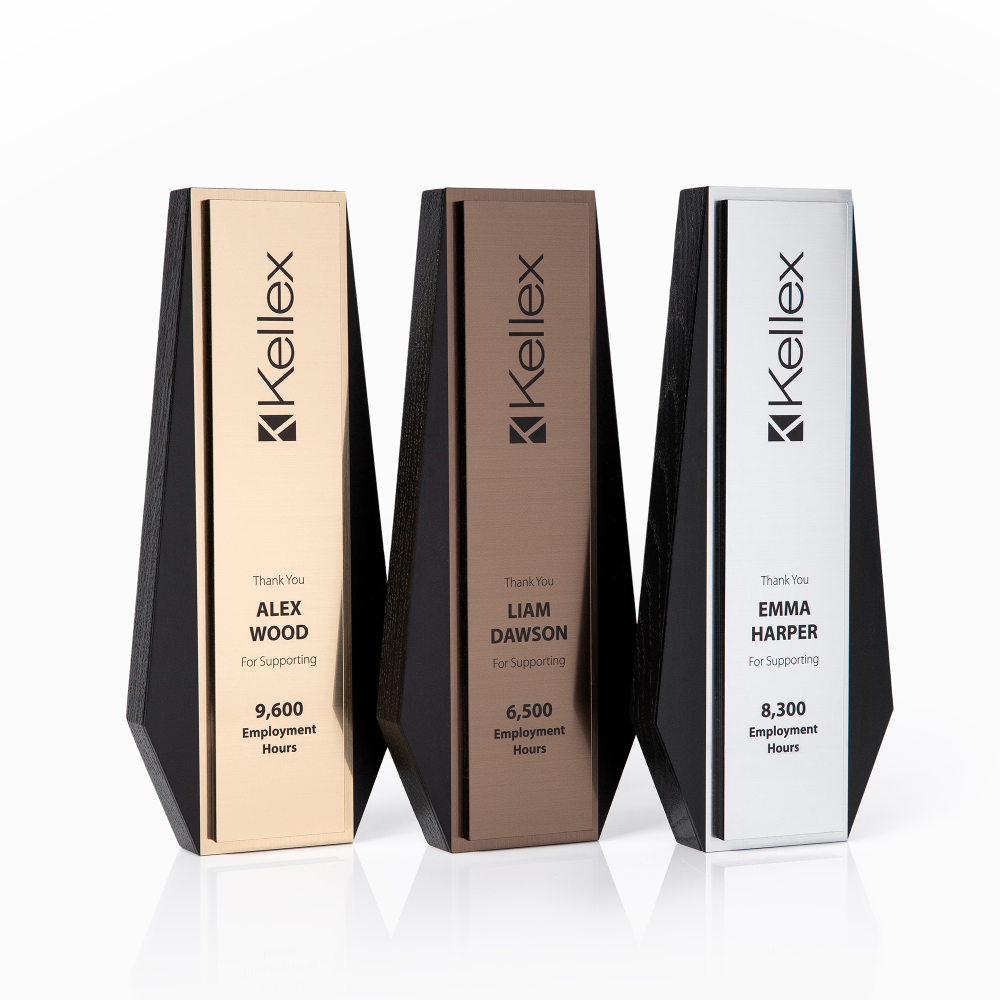
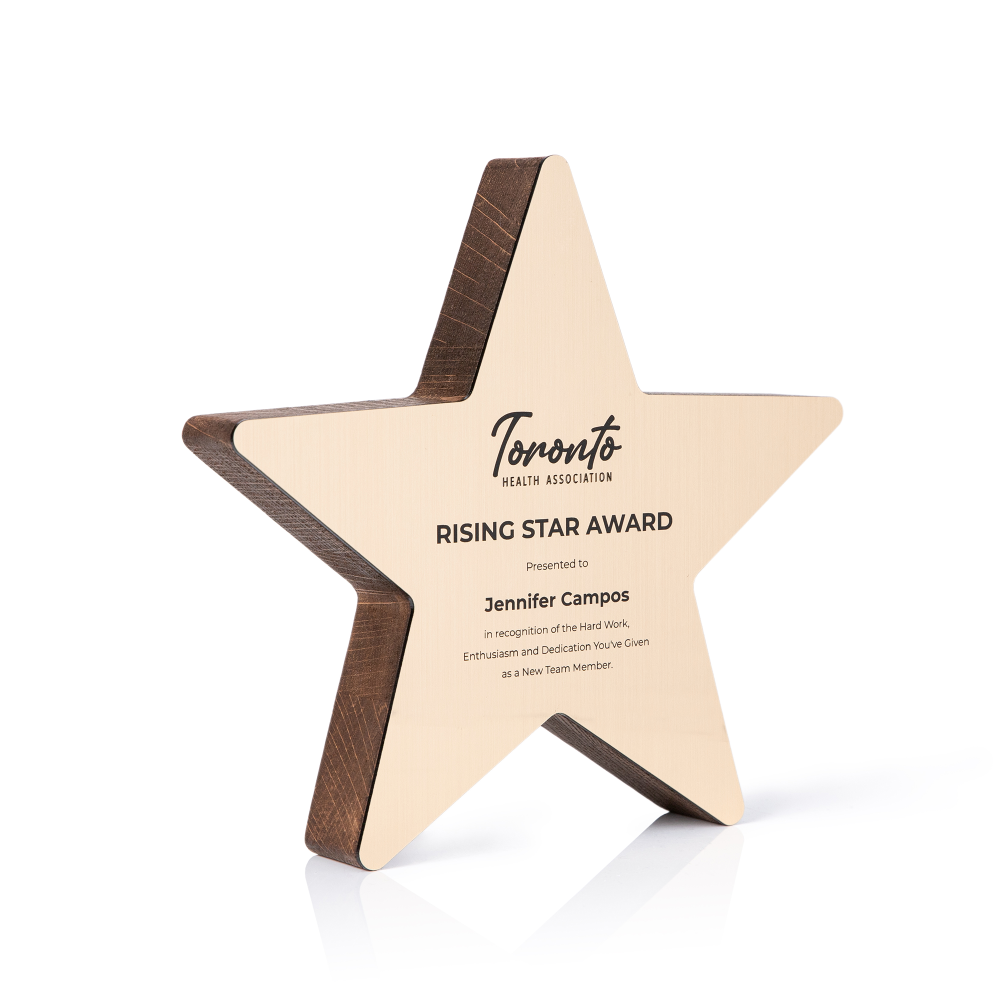
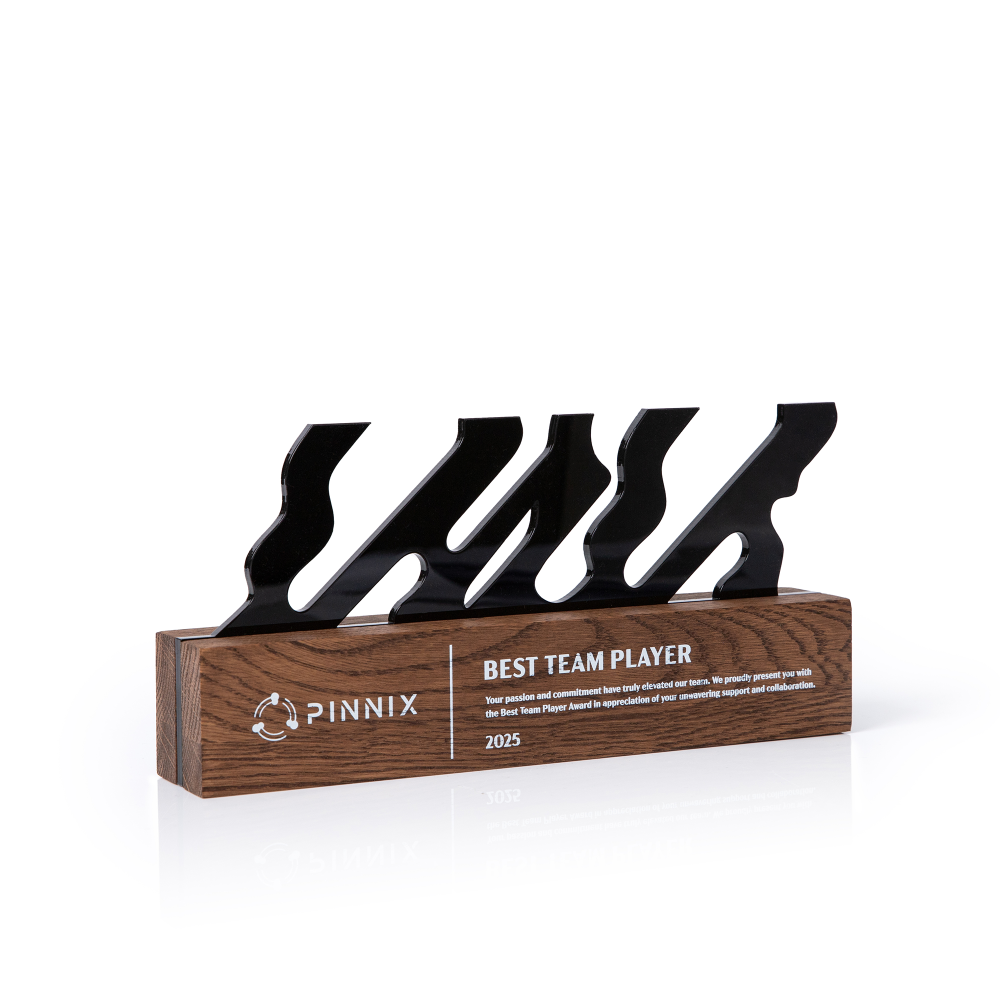






Leiden’s life-sciences cluster and research community create opportunities to recognise scientific contribution, laboratory teamwork and biomedical innovation. Explore custom awards for biotechnology organisations, academic programmes and professional achievements, with shipping to Leiden and nearby communities.
A research prize may credit an inventor, a laboratory group, a teaching mentor or an industry-academic collaboration. Decide what is being honored first.
Recognize leadership, professional performance, organizational milestones and business achievement.
Explore Awards →
Celebrate outstanding employees, public servants, teams, managers and years of service.
Explore Awards →
Recognize professional excellence, academic achievement, community service and important contributions.
Explore Awards →
Custom awards for conferences, association events, public-sector ceremonies and professional programs.
Explore Awards →
Celebrate years of service, organization anniversaries and long-term contributions.
Explore Awards →
Personalized trophies for regional tournaments, schools, clubs and community competitions.
Explore Awards →Leiden’s science-focused award requirements depend on accurate research attribution, sensitive terminology and the distinction between a milestone and a validated outcome.
Leiden Bio Science Park research teams can recognise verified laboratory collaboration, an early-stage discovery programme or methodological contributions. Name the study stage accurately and avoid suggesting clinical efficacy, market authorisation or a patient outcome from a commemorative research award. Use descriptions approved by the lead investigator or communications team.
Project teams may acknowledge collaboration, manufacturing readiness or development contributions. Avoid implying a candidate medicine has regulatory approval without proof.
Laboratories can recognise technical consistency, mentoring or support work. Make the person’s contribution visible without presenting an internal award as quality accreditation.
Clinical research teams may celebrate professional service or organisational milestones. Keep patient information, outcomes and trial-specific details confidential unless formally cleared.
Product and testing teams can acknowledge engineering collaboration and learning. Use the actual project stage instead of language that promises clinical performance.
Academic departments may honour postgraduate research, mentoring and student achievement. Verify titles, degrees and correct recipient attribution.
Young companies can recognise founding-team contributions, collaboration and progress milestones. An award is not evidence of investment success or product approval.
Research networks may need awards shared across universities and industry. Confirm the organisation names and how each contributor is credited.
On an Akron research award, the hierarchy of project title, contributor and institution often matters more than ornament or size.
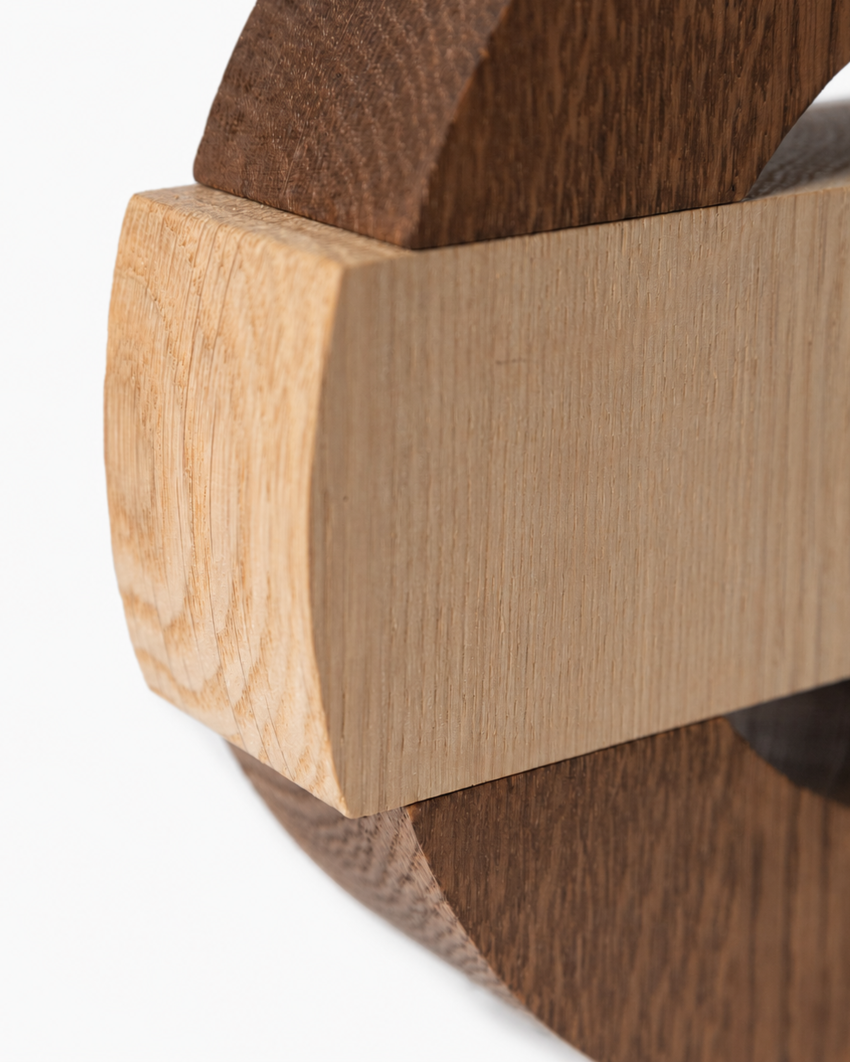
WOODEN AWARDS
Natural, modern awards that work well for creative companies, corporate recognition and premium events.
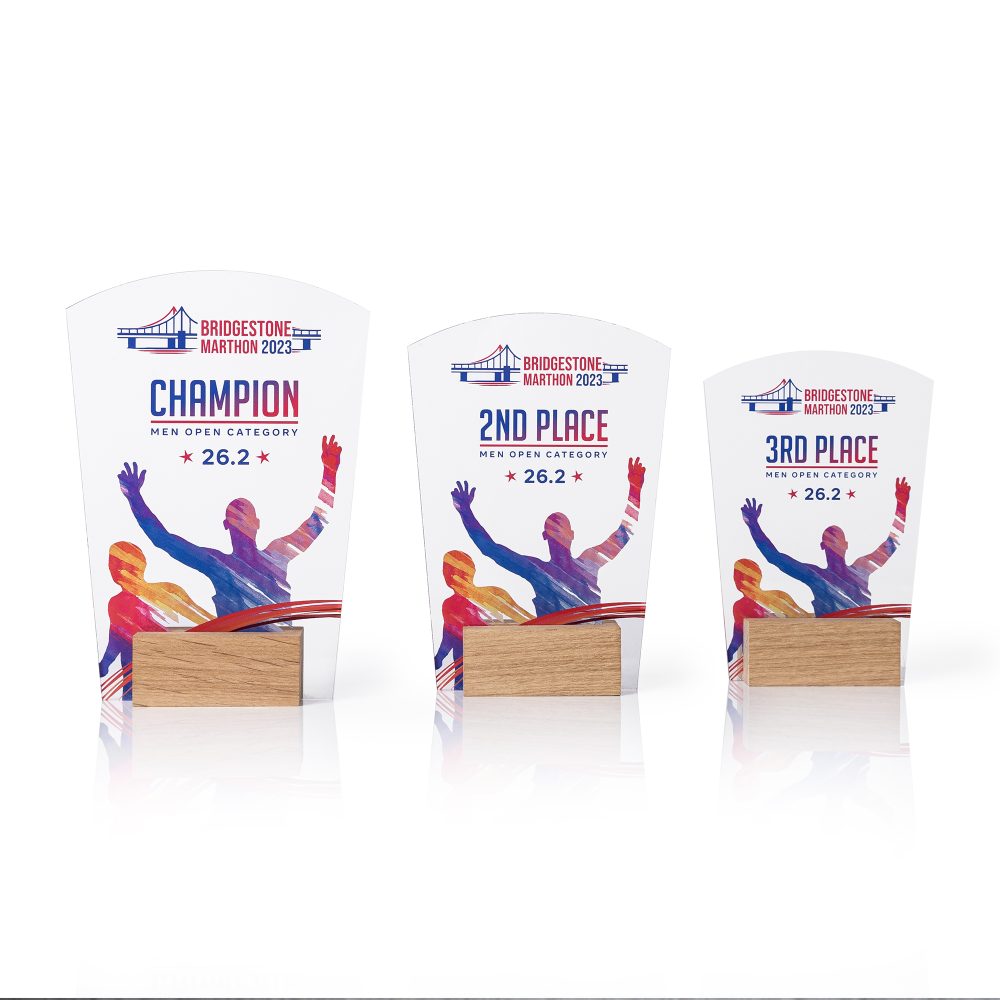
ACRYLIC AWARDS
Contemporary acrylic trophies with strong options for branding, color and custom graphics.
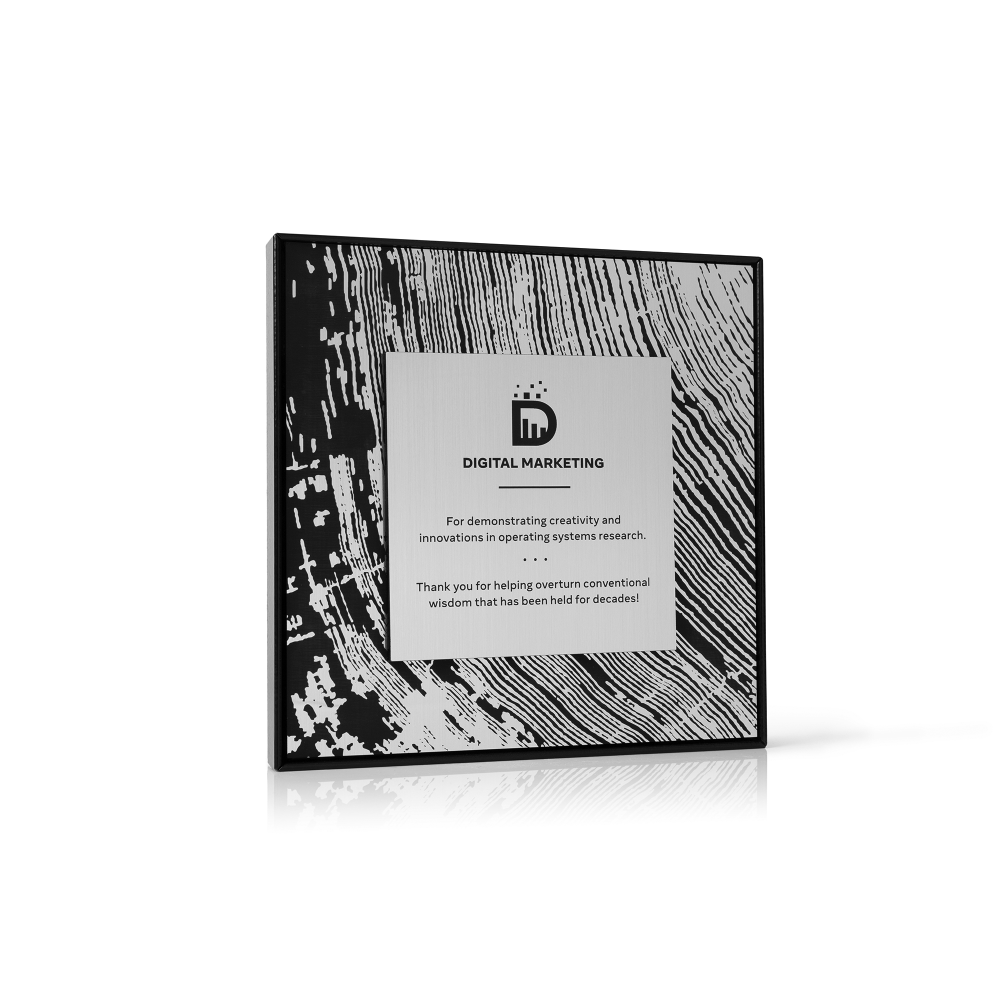
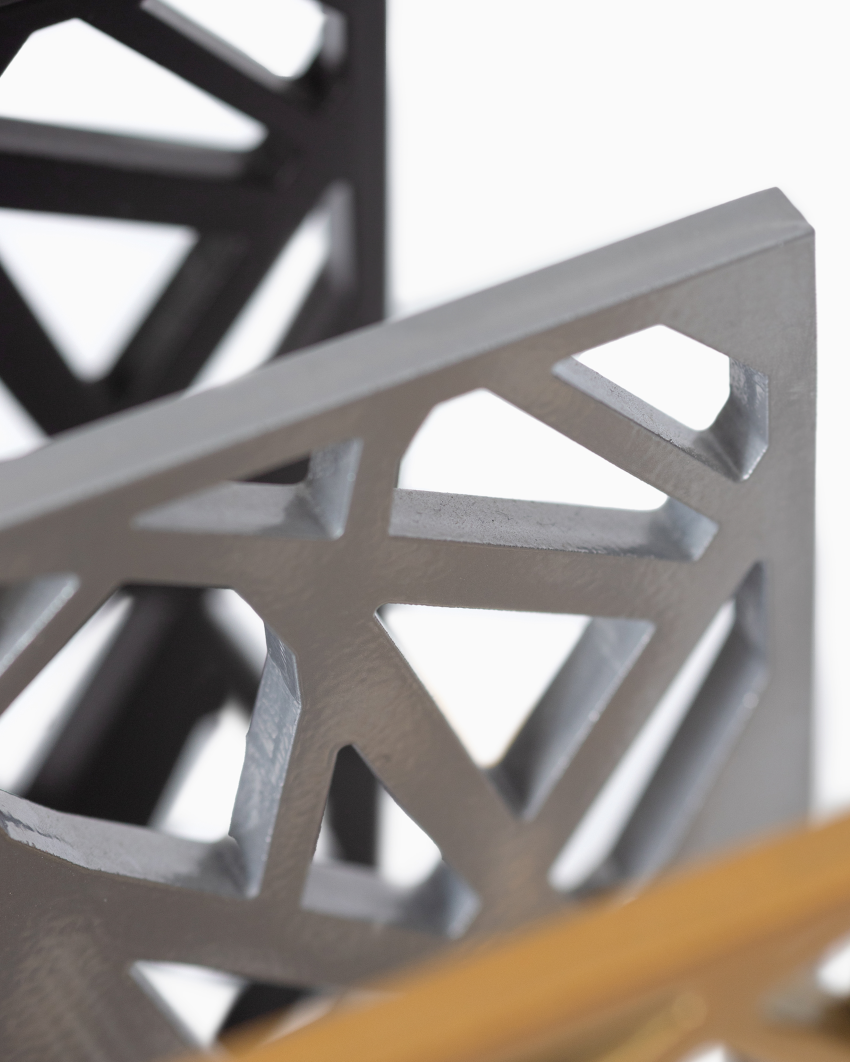
METAL AWARDS
Premium metal awards for executive recognition, competitions and high-profile events.
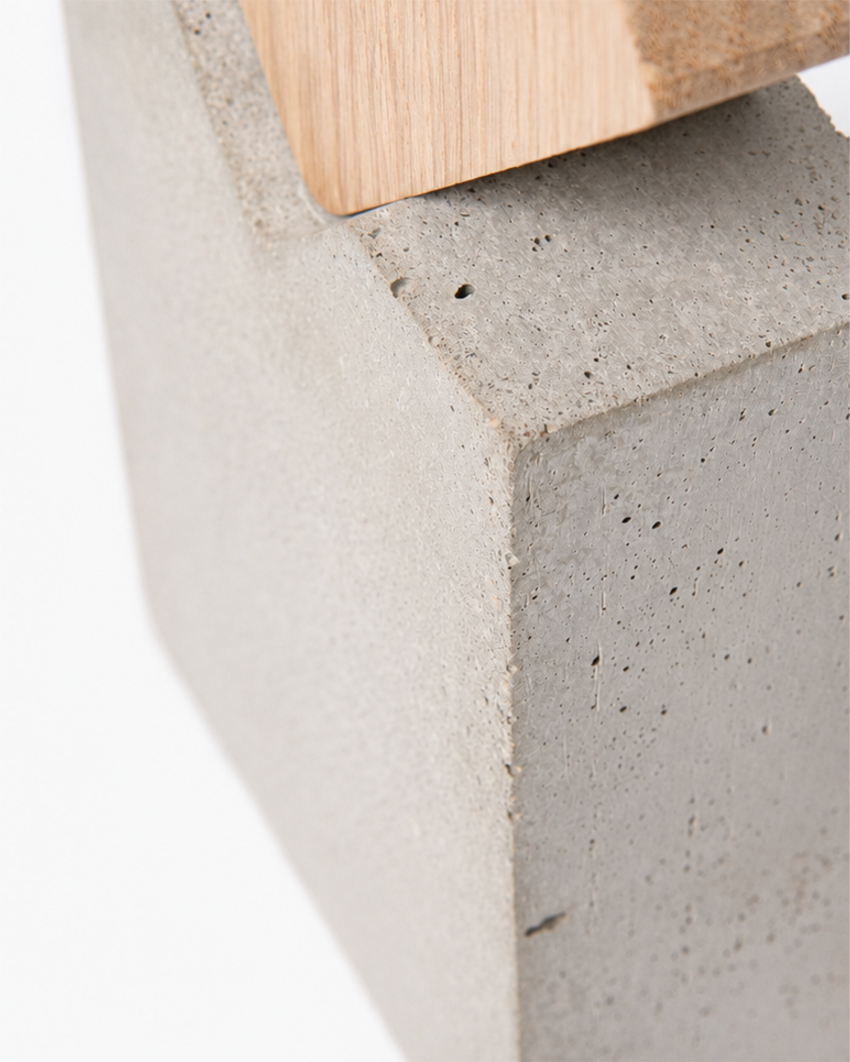
CONCRETE AWARDS
Distinctive architectural awards suited to modern brands, creative industries and design-led events.
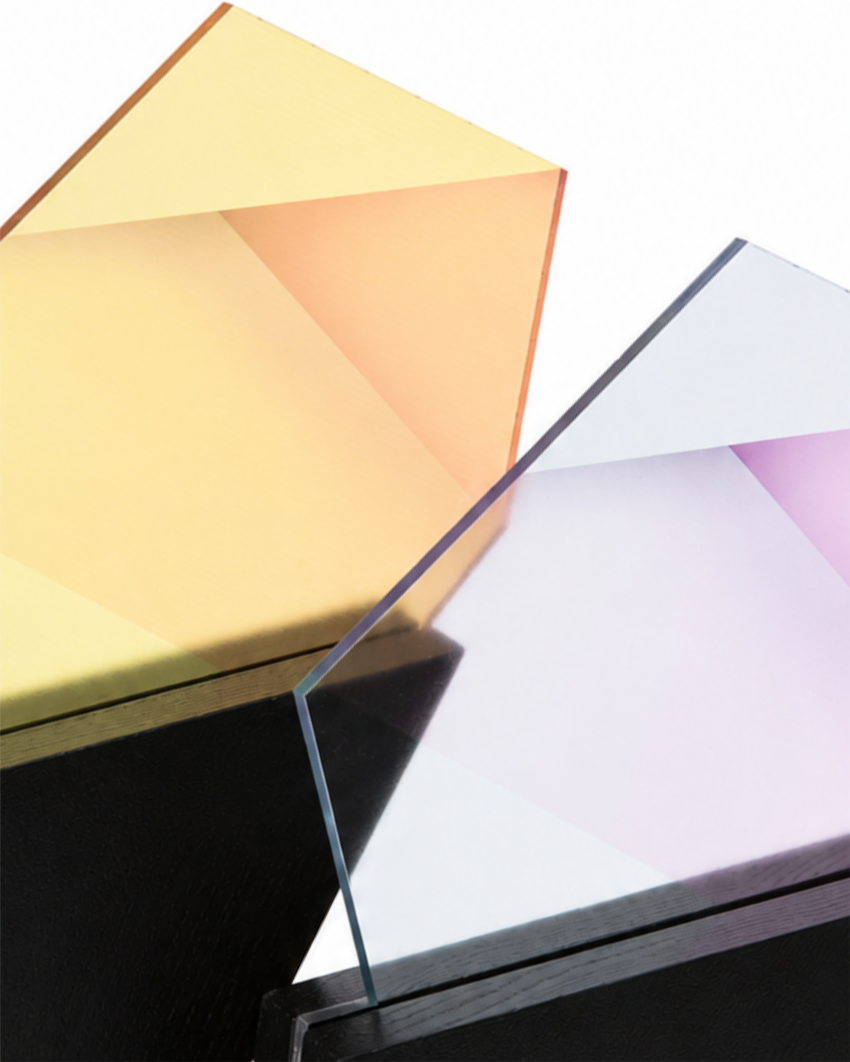
MIXED MATERIAL AWARDS
Unique designs combining wood, acrylic, metal and concrete for a more distinctive presentation.
Provide formal research titles and verified technical wording for product-dependent personalisation.
Consider coordinated awards for investigators, laboratory staff and collaborative teams.
Review material, engraving capacity and formality rather than selecting a trophy solely by industry imagery.
Browse achievement, employee and event categories for distinctly different types of science recognition.
Discuss bespoke award concepts that appropriately recognise multi-institutional work.
Confirm the authorised receiving address and allow time for artwork approval, production and shipping.
Scientific recognition is most credible when it identifies a real contribution without trying to compress a press release into an engraving. A research group may celebrate a published result, a laboratory improvement, an interdisciplinary partnership or exceptional technical support. These are different types of achievement. Choose a title that corresponds to the precise contribution and decide whether the award belongs to one person or the whole team.
In Leiden’s life-sciences environment, scientific accuracy is a practical purchasing requirement. The wording on an award may outlast the project itself. A study title, programme acronym or academic credential should be checked by the scientific lead or authorised communications team. Sensitive clinical information, unpublished research and third-party logos should not be included without permission. A recognition piece is not proof that a therapy, device or scientific conclusion has achieved formal validation.
Another question is who deserves visibility. A large research programme might involve laboratory technicians, academic researchers, data specialists and industry partners. It may be fairer to create separate categories or a collective team award than to place a selective list of names on one small trophy. Make that choice during the briefing stage, not at the end of artwork approval.
Acrylic can provide a clean visual surface for a short scientific title, while metal may suit a distinguished professional achievement. Wood can make years-of-service and mentoring recognition more personal. Mixed materials may suit major partnerships. The catalogue design, available custom fields and dimensions should determine whether the preferred message will be readable.
Leiden Bio Science Park and neighbouring municipalities include offices, laboratories and institutions with different receiving arrangements. For a conference or research ceremony, request the accepted delivery address and confirm the date against realistic production and European shipping estimates. UDAwards’ role is supplying personalised trophies through its online offer, not certifying scientific results or operating a local laboratory facility.
For a Leiden Bio Science Park programme, an effective proofing workflow has two reviewers: someone who understands the research stage and someone responsible for communications or compliance. They should check whether the inscription describes laboratory methods, a collaboration milestone or a scientific publication, without implying product approval, successful trial outcomes or medical effectiveness. The recipient list should make technicians and support contributors visible where the programme intends to recognise them.
Companies and organizations trust UDAwards to create meaningful, high-quality awards for their most important moments.
By subscribing you agree with our Terms Of Service and Privacy Policy
What are you looking for?